This site requires you to update your browser. Your browsing experience may be affected by not having the most up to date version. Please visit browser-update.org to upgrade.
JavaScript has been disabled in your browser. Please enable JavaScript to experience the full functionality of our website.
Oh the wonderful, nourishing egg. Who would've thought that so many essential nutrients could be packed in one tiny space?
The Heart Foundation has taken note, acknowledging the value of eggs in supporting a healthy diet. They no longer limit the number of eggs one can consume weekly. People with diabetes or high cholesterol can also enjoy up to 7 eggs a week.
But it goes beyond heart health. Eggs contain choline as well, a nutrient that plays a key role in maintaining healthy brain function as we age. The Vitamin D in eggs supports strong bones, and a range of antioxidants like lutein and zeaxanthin support eye health. With 1 in 5 Australians Vitamin D deficient, and over 90% of Aussies lacking choline in their diets, it only makes sense for older adults to take advantage of what eggs can offer.
So how can you incorporate eggs into your diet beyond the humble breakfast scramble? Below we've compiled 12 of our favourite egg dishes for health-conscious seniors. They're a joy to make, and equally as fun to eat.
This is dish is perfect for weekdays at home with the grandchildren. Bring out the child in you with a healthy twist on green eggs and ham. The spinach, egg, and parmesan scramble pops with colour and flavour. This dish brings a whole new meaning to having fun with your food. Outside of the standard egg benefits, this dish is also high in protein.
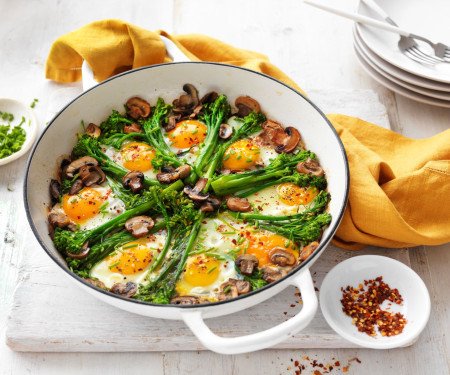
This high-protein dish is jam-packed with flavour and all of the healthy bits. Capsicums, sweet potatoes, spinach, and more bring life to this spin on the traditional pan-fried egg. Cook on low heat and add all your favourite ingredients to this versatile meal.
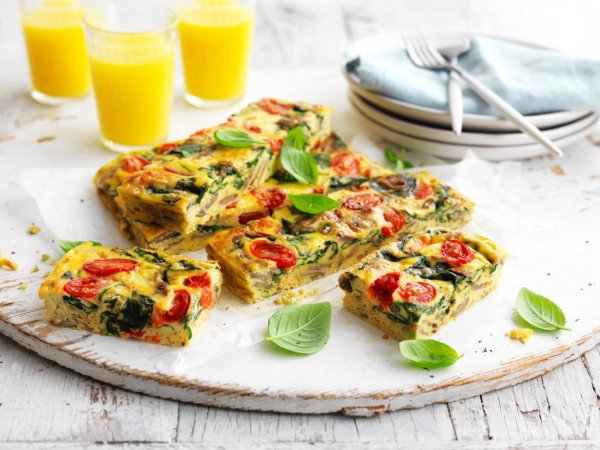
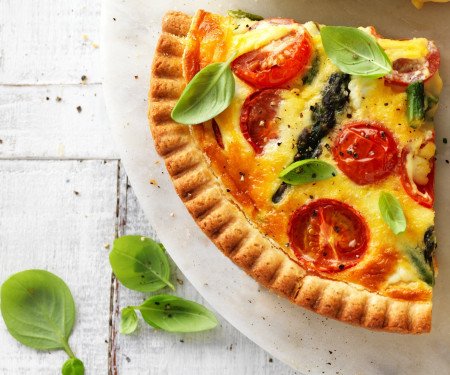
This morning recipe is perfect for way to get the day started. Spinach, tomato, basil, and egg team up, bringing colour and flavour to this egg florentine bake. Cook this one early in the week, and enjoy it for lunch the following day. Great for those looking to increase their protein intake.
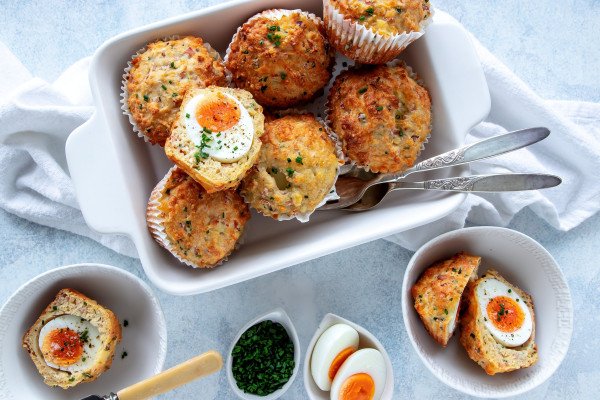
Who knew that savoury muffins could taste better than sweet ones? Delight in this boiled egg surprised nestled within a delicious muffiny crust. Support your choline intake and have a little fun at the same time! A high-protein, lower carb option to your standard muffin.
Short on time? Try these boiled eggs with asparagus soldiers. This two-ingredient recipe only needs a microwave and five minutes of your time. Season with cracked pepper and parmesan for a cheesier bite. This recipe is suitable for those trying to increase their choline intake.
This omelette is absolutely divine! Packed with nutrients from A to Z, it'll leave you wondering why you never made eggs like this in the past. Kale, pine nuts, goat's cheese...need we say any more?? If you're not a fan of goat's cheese, this works just as well with fetta. A great option for vegetarians looking to increase their protein intake.
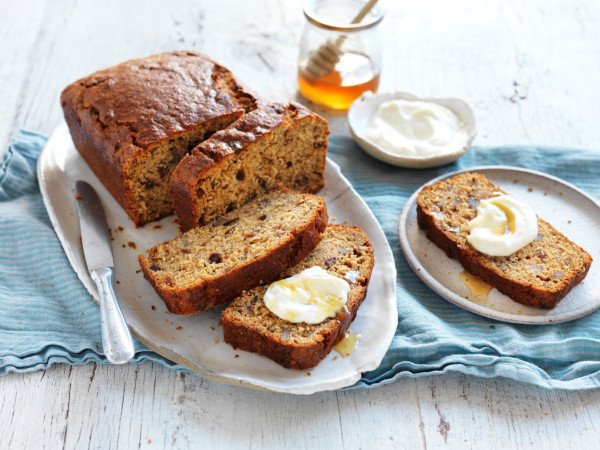
Settle into this bake-a-thon because we have a delicious wholemeal loaf recipe coming your way. Perfect for lazy afternoons, this date and walnut loaf is filled with love and all the healthy stuff. Have a few slices whenever you're craving something sweet. This loaf can be frozen too. A high-fibre option for regulating cholesterol levels.
Why order in when you have this scrumptious recipe up your sleeve? Everything comes together perfectly in this Golden Fried Rice dish. Major flavour, yet so simple to pull together. We recommend jasmine rice or any similar medium/long grain rice variety to supplement the base of this meal. A great option for those looking to increase their fibre and protein intake.
Take a look at this pastry. A mouthwatering delight is how we describe your salmon, rice and egg pie. Add mushrooms to bring out the full flavour of this heart-healthy, protein-rich meal.
There's something for everyone in this Mexican-inspired Pan Frittata. We love that this dish covers so many food groups without holding back on taste. Although this dish is for a mild palate, season with crushed pepper or adobo to kick it up a notch. Suitable for vegetarians and a good contributor to heart health.
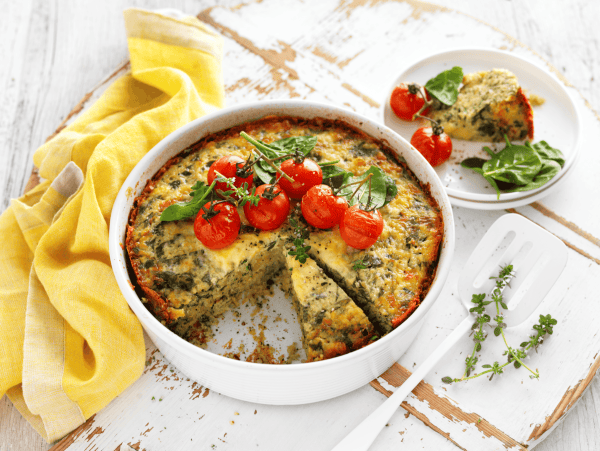
Nutrient overload incoming! Spinach and quinoa get the healthy party started. Eggs join in with 17 different vitamins and nutrients. Pop it in the oven and you got a bake filled with exceptional taste. Lutein and zeaxanthin push this veggie-friendly dish over the top with heart-healthy benefits.
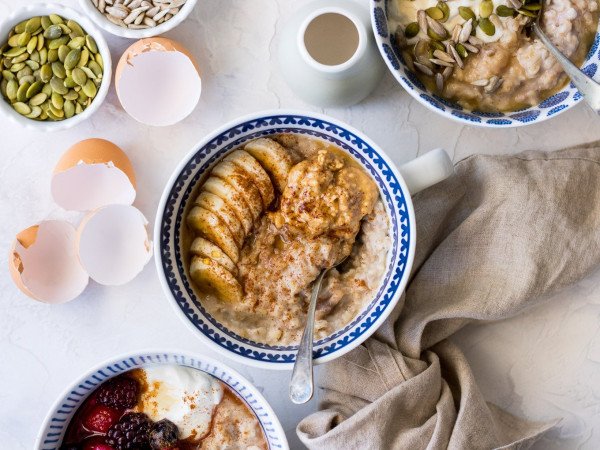
And to round it all out, we return to the start. Eggs are one of the best ways to start your day, and we'd be remiss if we didn't include them in our Banana Porridge. This simple meal is packed to the brim with everything you need to get through the morning. A low-carb option that may contribute to lower levels of free radicals in the body.
No matter your age or stage in life, good health is essential to living your days fulfilled. Eggs can help round out your diet, providing choline to support cognitive function, vitamin D for bone health, and good cholesterol for heart health. Create and reinforce good eating habits through any of the delicious recipes above.
Some of the best high-protein breakfast ideas centre on eggs - scrambled, baked, stuffed into muffins or layered into a one-pan wonder. They're one of the highest quality, protein-rich whole foods going around, and with dozens of ways to cook them, there's genuinely no excuse for a boring morning.
Despite Australia's reputation as the sunburnt country, around 1 in 4 adults are vitamin D deficient. In winter, that number climbs sharply in southern states - deficiency rates in Victoria, the ACT and Tasmania can reach close to 50%.
The irony isn't lost on anyone.
Reading time: 4 min read
Frequently Asked Questions
How many eggs can I eat everyday?
As many as you'd like! The National Heart Association no longer limits the number of eggs you can consume each week as part of a healthy, balanced diet. Given that they're so nutrient-rich, we'd gladly fit eggs into any part of our day!
Why is Choline so important?
Choline plays an essential role in cognitive decline. It aids the liver in removing cholesterol, strengthens cell membranes, assists in DNA repair and the production of neurotransmitters. All of these things improve overall cognitive strength and the brain-muscle connection.
Over 90% of Australians do not meet the adequate need for choline intake. Given that this nutrient is found in abundance in eggs, incorporating eggs into your diet will help you fight off cognitive decline.
Why do I need Lutein and Zeaxanthin?
Lutein and Zeaxanthin are antioxidants that provide heaps of benefits for all ages. As an antioxidant, these nutrients aid in removing free radicals from the body. Due to their instability, free radicals are a key contributing factor to damaged cells which directly influence the aging process.
Outside of combating aging, these nutrients are also vital in maintaining eye health in older adults.
Aren't eggs linked with higher cholesterol?
It's a common myth that eggs are linked with increased amounts of cholesterol in the body. Although it's true that eggs can increase cholesterol, it's the type of cholesterol that matters. LDL cholesterol or "bad" cholesterol, is linked to foods high in saturated fats or deep-fried. HDL or "good" cholesterol, is what's found in eggs. Therefore eggs do not put you at risk for heart disease.