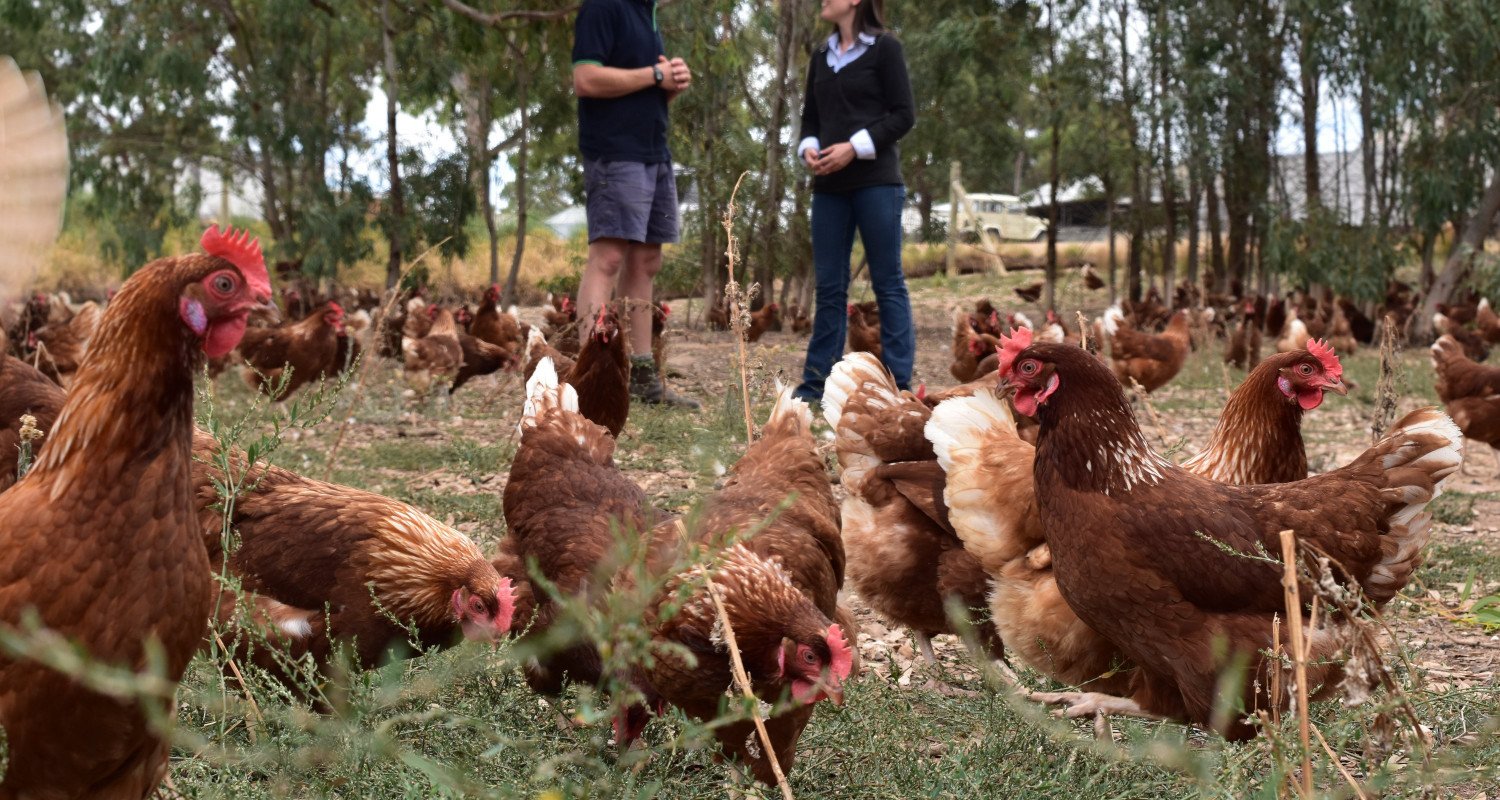
High Protein 7 Day Meal Plan
It can be easy to overlook the importance of our diet when we lead a busy and hectic lifestyle. However not taking good care of our eating habits can lead to fatigue, poor concentration and health issues.
This site requires you to update your browser. Your browsing experience may be affected by not having the most up to date version.
Please visit browser-update.org to upgrade.
JavaScript has been disabled in your browser. Please enable JavaScript to experience the full functionality of our website.
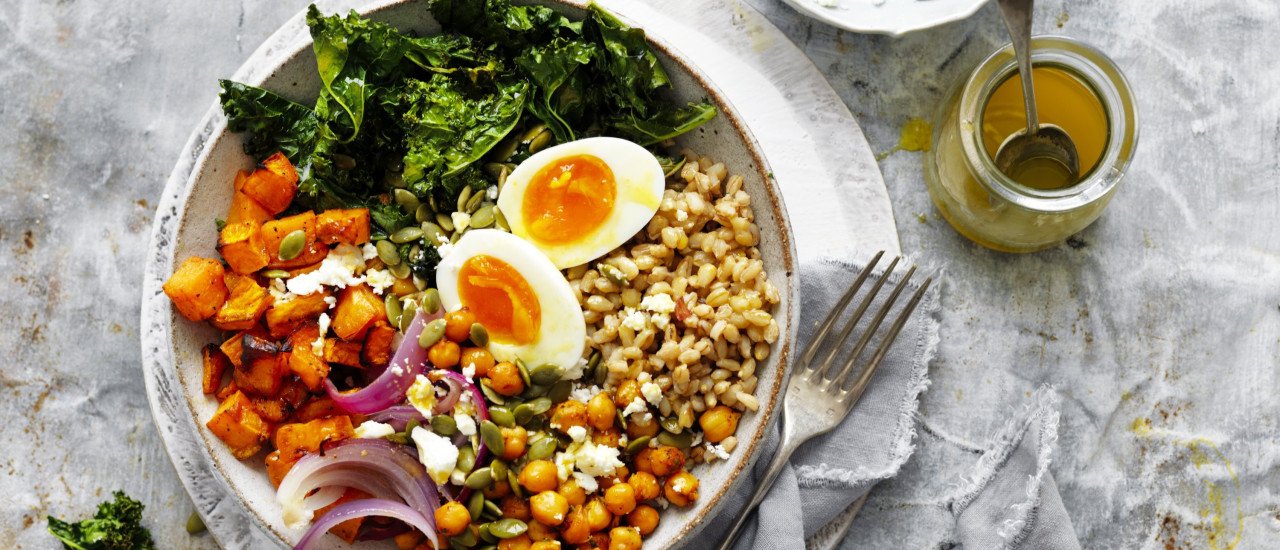


It can be easy to overlook the importance of our diet when we lead a busy and hectic lifestyle. These 7-day meal plans have been created by an Accredited Practising Dietitian based on meeting the recommendations outlined in the Australian Guide to Healthy Eating. Each of these includes plenty of tasty recipes to help make healthy eating as easy as possible for everyone.
It can be easy to overlook the importance of our diet when we lead a busy and hectic lifestyle. However not taking good care of our eating habits can lead to fatigue, poor concentration and health issues.

Whether you’re heading out for your first run, joining a run club, or just trying to eat better without overthinking it, this plan has you covered. Five days of easy meals, a simple shopping list, and practical nutrition tips to help you get more out of every run - and every day.

Eating well as a family doesn’t have to be complicated. This 5-day meal plan features simple, balanced meals that meet the recommendations outlined in the Australian Guide to Healthy Eating.
Eating well as we age helps us stay energised, strong, and feeling our best. Good nutrition supports a healthy weight, strong bones, a healthy brain and a robust immune system.

Maintaining a healthy gut means you’ll have more than good digestion. It means you’ll also boost your immunity, reduce the risk of certain metabolic diseases and provide extra support for your mood and brain function.
Eating a healthy diet can play a significant role in helping to reduce and manage cholesterol levels in the blood, in turn helping to reduce the risk of heart disease.

Largely considered one of the world's healthiest eating patterns, the Mediterranean diet is often associated with supporting a reduced risk of various lifestyle-related diseases, including lowering the risk of heart disease and "bad" cholesterol levels.

A combination of healthy balanced eating and leading an active lifestyle is the most effective way to manage weight over the long term.

It can be easy to overlook natural food sources when seeking to increase your vitamin D intake. Vitamin D is sometimes called the 'sunshine vitamin' for a reason. The best source of vitamin D is sunlight.

With careful planning, a vegetarian diet can provide all the essential nutrients needed for a healthy life. Eating balanced meals and snacks is important to ensure daily requirements for nutrients such as iron, zinc, calcium, vitamin D, vitamin B12 and omega-3 fatty acids in particular, are met.

Gaining weight can be just as challenging as losing weight.
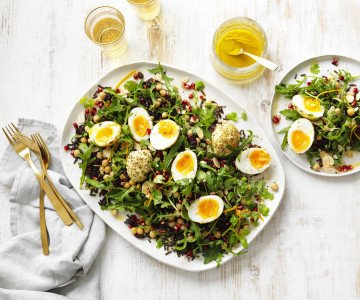
If you’re trying for a baby or have just fallen pregnant, it’s important to start taking care of your diet as eating healthy foods will help with your chances of conceiving and having a healthy pregnancy.

Polycystic Ovary Syndrome (PCOS) affects roughly 8–13% of reproductive-aged women. Given the name, it tends to suggest some form of gynecological issue; however, PCOS is an endocrine disorder, which causes it to affect many of the body's hormones and organs – in addition to the ovaries.

When it comes to managing Type 2 diabetes, the most useful advice is developing and sustaining a healthy, well-balanced diet.

Eating a healthy diet is especially important during pregnancy and when gestational diabetes presents itself as an additional consideration, extra attention is needed.

Following a strict gluten-free diet can often seem tricky because gluten is a common ingredient added to most foods. Another challenge comes from supporting your food intake variety and balancing what's required to meet your daily nutritional needs.

Consuming a low FODMAP diet has been scientifically shown to be an effective lifestyle treatment for many people who experience the symptoms of irritable bowel syndrome (IBS) or living with regular digestive discomfort.

In recent years we've seen a growing and positive trend towards eating patterns significantly lower in carbohydrates, without eliminating the food group completely.
This eating style can be an excellent way to support health and wellbeing, while still consuming a well-balanced diet and meeting daily nutritional needs.

Both the physical effects of ageing and the impact of social changes can affect appetite and food intake at this time of life, making it more challenging to meet daily nutritional needs.
One of the side effects of these changes can be unintentional weight loss.

When it comes to supporting and maintaining eye health in seniors, a healthy and balanced diet can go a long way.
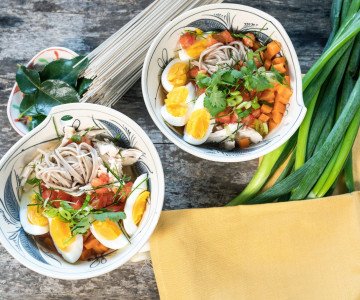
As we head into our golden years, our physiology changes. We crave less, feel more aches, and possibly, weight fluctuations. Our bodies don't readily absorb nutrients like they used to. Coupled with a decreased appetite, you may start to notice unexpected changes in weight and energy levels.
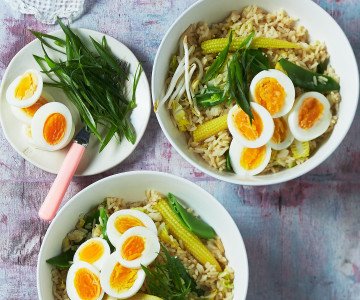
As we age, our lifestyles change. Our bodies change. Things don't work as they used to. Lack of nutrition is directly reflected as physical changes in the body.
One in 7 Aussies has some form of arthritis, experiencing a range of inflammatory conditions that affect the bones, muscles and joints*. Following an antioxidant-rich healthy eating pattern together with regular exercise plays an important role in managing these conditions.

What does it mean to eat “clean”? In a general sense, clean eating means choosing minimally processed whole foods that contain little to no food additives, including preservatives, colours and flavours.

Research shows that many Australians are not getting enough dietary fibre*. Dietary fibre is found in wholegrain cereals, legumes, fruit, vegetables, nuts and seeds, and it plays an important role in keeping your digestive system healthy.

"Plant-based” is a broad term that covers a range of eating patterns such as vegan, vegetarian, and pescatarian. In general, plant-based diets incorporate primarily foods from plant sources, such as fruits, vegetables, wholegrains, seeds, nuts, legumes and beans and include small to moderate amounts of animal-based products.

Protein plays an important role in building, strengthening and repairing muscles. In resistance training, a higher protein diet helps build muscle while also contributing to recovery. This is why athletes like Sam Fricker and Nana Owusu-Afriyie turn to eggs and other nutritious foods to maintain their high performance.

Endurance athletes need sustained energy and optimal nutrition to power through their intense training and competitions. Without it, all that hard work is lost on the big day. Training hard while also trying to maintain a busy life schedule makes nutrition even more important.

Healthy eating requires planning and this can be even more important when you’re on a budget. The good news is that it is possible to eat well, meet your nutritional requirements and do this in an affordable, tasty and easy way.