Biosecurity & Flock Health
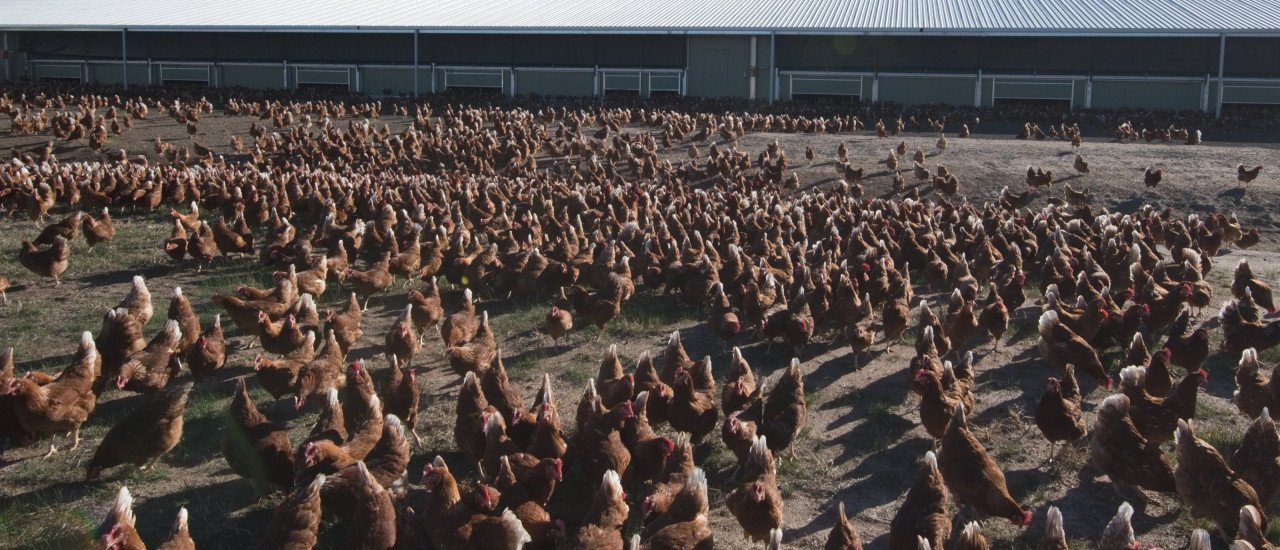

Maximising the health and productivity of hens is fundamental to maximising egg production and achieving satisfactory egg quality.
The increasing proportion of free range hens in recent years and the greater variability within free range production systems has the potential to impact the reliability of egg supply and consumer confidence.
Investment in R&D will focus on the investigation of short term, industry transferable solutions to hen disease and biosecurity threats, as well as long term research investigating the development of vaccines and therapeutic medicines to ensure that we are addressing more complex issues. The intended outcome is lower hen mortality rates, less and shorter breaks in production and consequently, increased productivity.
To assist the industry in maintaining strict biosecurity Australian Eggs has produced a range of resources to translate research learnings into helpful on-farm resources. The booklets can be downloaded below, or ordered in printed format from Australian Eggs.
Key Resources


Current Research

Avian influenza aerosol spread risk and mitigation
This project aims to improve understanding of high pathogenic avian influenza (HPAI) aerosol transmission during depopulation and disposal (D&D) on infected chicken layer farms in Australia. The project will quantify virus viability in shed litter, measure fine dust aerosol generation during D&D, and estimate aerosol transmission risk.
Ornithobacterium rhinotracheale (ORT) pathogenicity
This project is an extension to a previous project on upper respiratory tract infections (URTIs) in free-range layers in Australia. The research resulted in identification of 69 isolates of Ornithobacterium rhinotracheale (ORT), which is an emergent respiratory bacterial pathogen in poultry.
Loop Mediated Isothermal Amplification (LAMP)-based environmental bioaerosol sampling for early avian influenza detection
Detecting avian influenza (AI) in its avian hosts through environmental DNA/RNA sampling offers a promising method for real-time monitoring. This early detection strategy could improve on-farm disease surveillance and bolster prevention and control efforts against highly pathogenic avian influenza (HPAI) outbreaks.

Addressing Avian Pathogenic Escherichia coli (APEC) for Australian egg industry
This study addresses an industry need to better understand and mitigate the impact of Avian Pathogenic Escherichia coli (APEC) in layer chickens. By utilising a large sample collection of over 5,000 E.
Mechanisms of Spotty Liver Disease pathogenesis and immune protection: informing vaccine development
This project aims to investigate the mechanisms driving Spotty Liver Disease (SLD) pathogenesis. Currently antibiotic therapy is the most effective way to control SLD. Understanding the role of toxins and other virulence determinants in disease pathogenesis and immune protection will help to identify targets for vaccine development.
Development of single administration, slow release vaccine delivery system
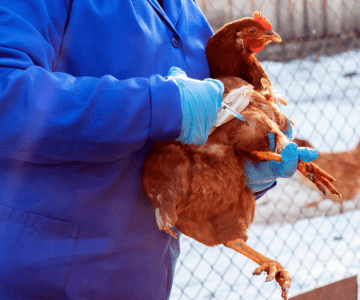
This project aims to develop a single-shot, slow-release vaccine delivery system using hydrogel technology. It will investigate the best vaccine release pattern from hydrogel implants (extended “burst” verses multiple “pulses”) to induce immunity.
Optimising performance, health, flock consistency & egg quality characteristics through management
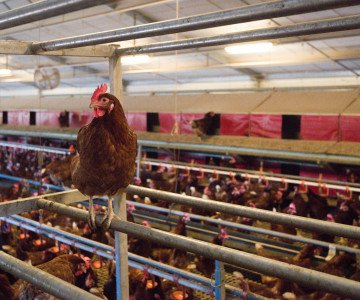
In this project, researchers will work with free range farms to understand the management factors which influence common problems in free range systems such as variable peak of lay timing and inconsistent egg size and quality.
Completed Research
Investigations of upper respiratory tract infections (URTI)
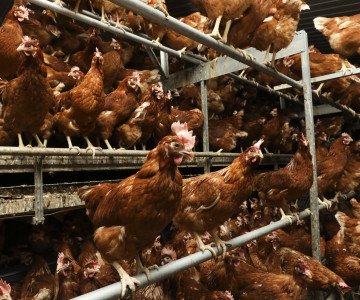
This research project investigated upper respiratory tract infections (URTIs) in layer farms. URTIs cost the egg industry $35 million annually through reduced production, medication, vaccination, and mortality.

Genetic restoration to protect Australian poultry against Avian Influenza
The initial stage of research found the key in chicken genetics that is responsible for high pathogenic avian influenza virus. This project builds on this important finding, by testing the most appropriate and effective intervention to prevent low pathogenic avian influenza progressing to high pathogenic avian influenza.
Evaluating the effectiveness of wild bird deterrents in Poultry Operations for Avian Influenza Control: A literature review
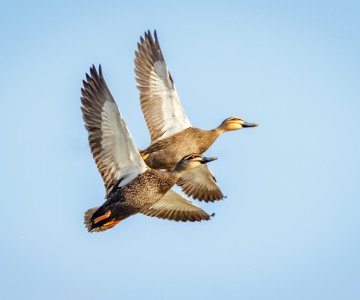
Avian Influenza poses a significant threat to poultry health, public health, and the global agricultural economy. The growing concern over Avian Influenza (AI) in commercial poultry operations, particularly free-range systems, has underscored the importance of effective bird deterrents.
Effect of microbiota seeding on gut health and egg production
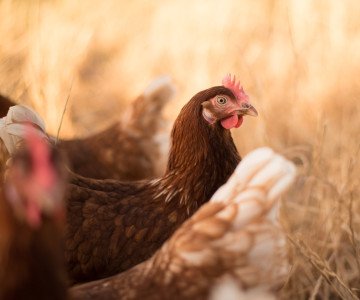
Extending flocks productive lifespan has been a challenge for the egg industry and remains a priority. This project aims to investigate the “seeding” of gut with beneficial organisms as a potential layer hen
management strategy to improve the gut health of hens.
Extension and communication strategies to improve biosecurity
This project will develop the most appropriate and applicable biosecurity extension and communications strategies that will target small, medium and large segments of the egg industry.
Management tools to minimise floor eggs
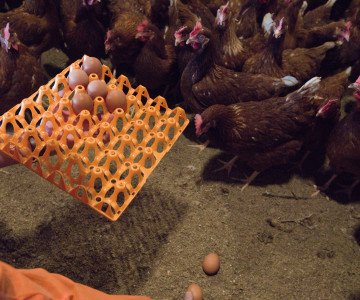
To better understand how floor eggs may be avoided, this project compiled information on factors that can affect the propensity of hens to floor lay and management strategies that may prevent the undesirable behaviour from developing.
Australian egg layer disease benchmarking survey
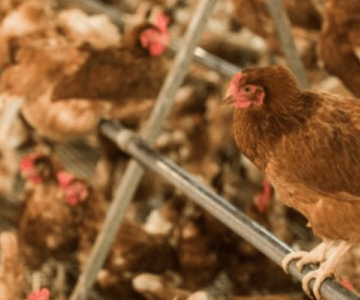
The project aimed to provide a summary of the current disease burden in the Australian layer industry.
Alternatives to antibiotics in the layer industry
As part of the Australian Egg Industries antimicrobial stewardship, a review of the literature regarding potential alternatives to antibiotic treatment in laying hens and pullets was commissioned. The literature was searched using bacterial disease terms, laying hens, pullets and “alternatives to antibiotics”.

Spotty Liver Disease Epidemiology
This project identified key risk factors for Spotty Liver Disease outbreak.

Closing the Loop: Black Soldier Fly technology to convert agricultural waste
Black soldier fly farming (BSF) provides a low-cost waste management solution for converting agricultural waste into high quality fertiliser (BSF castings or frass) and protein (BSF larvae as animal feed).
Decontamination project for the Australian poultry industry
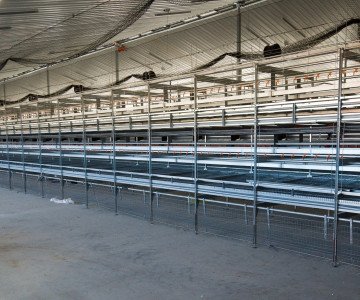
In this jointly funded project, researchers will address knowledge gaps in current decontamination procedures in the broiler and layer industries. Researchers will develop a guideline comprised of everyday decontamination procedures, which will help to manage the risk of disease infecting and spreading within poultry flocks.
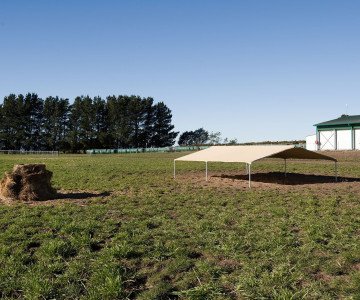
Review of rodent control for the Australian chicken meat and egg industries
This final report on current rodent control strategies employed by the Australian chicken meat and egg industries also includes a manual for producers on use of rodenticide products.
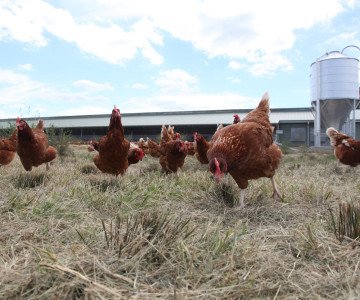
Sustainable worm control with improved understanding, methods and information availability
Through surveying producers, collecting faecal samples and examining spent hens, researchers will be able to determine the prevalence and significance of worm infection in free range layer flocks in Australia.
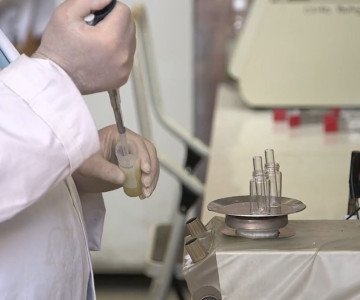
Assessment of the efficacy of autogenous vaccines in Spotty Liver Disease control
This project demonstrated that autogenous vaccination of Campylobacter hepaticus can produce a measurable humoral immune response in layer hens. This humoral response is related to some level of protection against Spotty Liver Disease.
Optimisation of use of probiotics for control of Salmonella in hens
This project tested the effect of commercially available probiotics and synbiotics on layer gut development and Salmonella shedding. Results indicated that continuous feeding of a Bacillus based probiotic supplement can benefit layers.
Projects you might find interesting
Development of single administration, slow release vaccine delivery system
This project aims to develop a single-shot, slow-release vaccine delivery system using hydrogel technology. It will investigate the best vaccine release pattern from hydrogel implants (extended “burst” verses multiple “pulses”) to induce immunity.
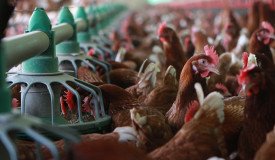
Practical strategies to increase individual layer hens feed efficiency
The overall findings of this study reveal that significant variation exists in the feed efficiency of layer hens. In this project, hens that put on more weight from the point of lay to mid-lay tended to be less feed efficient and have poorer quality eggs. The high feed efficient hens had better egg quality and were less prone to liver damage or fatty liver.
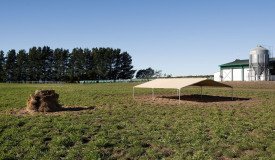
Review of rodent control for the Australian chicken meat and egg industries
This final report on current rodent control strategies employed by the Australian chicken meat and egg industries also includes a manual for producers on use of rodenticide products.
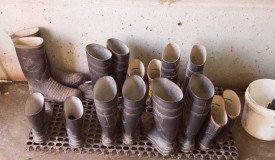
On-farm Biosecurity Risk Identification Framework for the Australian layer industry
This report provides a support tool for Australian egg producers to determine biosecurity risks on-farm. As well as assisting Egg producers in understanding what constitutes a risk and why, the report offers potential management strategies to decrease on-farm risks to biosecurity.
Want to see what an egg farm looks like? Take this interactive 360 degree tour to see how eggs are produced in Australia.
