Do Eggs Need to Be Refrigerated? Storage Tips & More
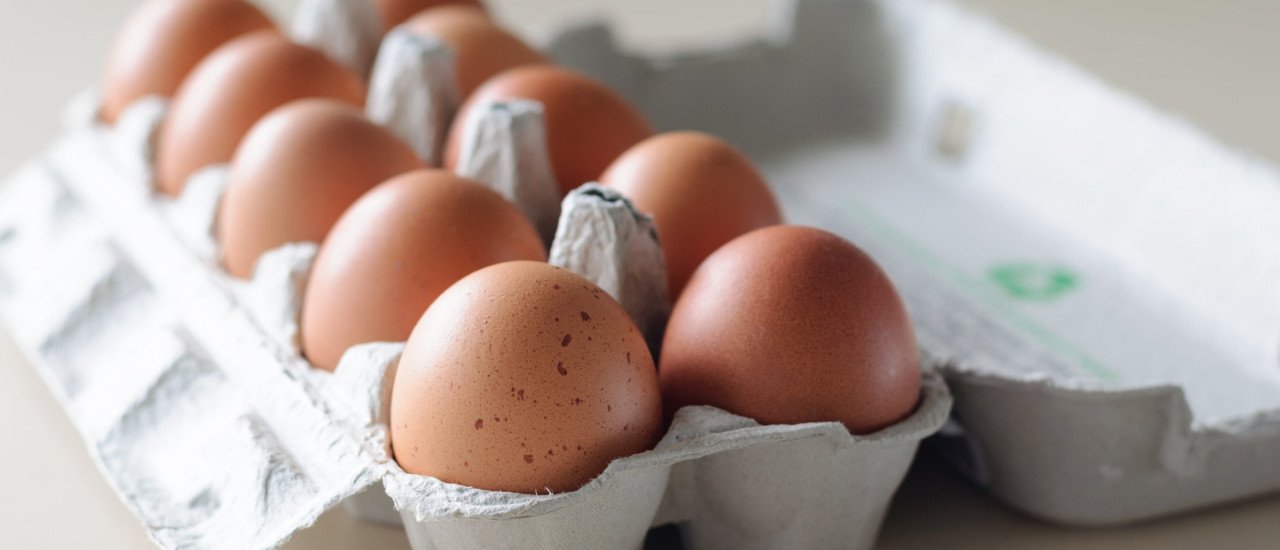

Eggs are a staple in most Australian kitchens, but when it comes to storage, there’s often confusion. Should you keep eggs in the fridge or the pantry? How long do refrigerated eggs last? And what’s the safest way to store them?
Here’s what you need to know about egg refrigeration to keep your eggs fresh, safe, and delicious.
Should Eggs Be Refrigerated?
Yes – in Australia, eggs should always be refrigerated.
Eggs are a fresh food product, which puts them at higher risk of contracting bacteria like Salmonella. Egg farmers carry out a number of measures to minimise the presence of Salmonella, ranging from cleaning farm sheds, cool storage and transportation of eggs, minimising egg temperature variations, separating out dirty and cracked eggs, or even washing and sanitising eggs.
We need to keep this quality control going from farm to table. Refrigeration slows down bacterial growth and helps maintain egg quality over time. It’s the best way to reduce the risk of foodborne illness and keep your eggs fresher for longer.
How to Store Eggs in the Fridge
To get the most out of your eggs:
- Store them in their original carton – this protects them from odours and moisture loss
- Place them on a central shelf, not in the door, where temperature can fluctuate
- Refrigerate them as soon as you get home from the supermarket
Egg shells are porous, so leaving them exposed can cause them to absorb smells from other foods, affecting both taste and freshness.
How Long Do Eggs Last in the Fridge?
If stored correctly, eggs can last up to six weeks in the fridge, though you should always check the use-by date on the carton first.
As eggs age, they lose moisture and carbon dioxide, which affects how they cook. Older eggs are still great for baking, hard boiling, and scrambling, while fresher eggs are ideal for poaching and frying, where shape and structure matter.
Can You Leave Eggs Out of the Fridge?
It’s not recommended. Leaving eggs at room temperature for extended periods can allow bacteria to grow more quickly, especially during warmer months.
Once chilled, eggs should stay cold until you’re ready to use them. Don’t leave them sitting on the bench – pop them straight back in the fridge after use.
Final Takeaways
Refrigeration is essential for egg safety and freshness in Australian homes. Always store your eggs in the fridge, keep them in the carton, and avoid the door shelf if you can.
By following these simple tips, you’ll get the most out of every egg – whether it’s for a Sunday scramble, a midweek bake, or a quick dinner omelette. Need a quick way to tell if your older eggs are safe to eat? Try any of these freshness tests.
Want to see what an egg farm looks like? Take this interactive 360 degree tour to see how eggs are produced in Australia.
