Egg Industry Emissions Calculator


Australian egg farmers will now be able to assess their on-farm carbon emissions, and explore alternate reduction pathways with the Australian Egg Industry Emissions Calculator tool. The tool has been designed specifically for egg farmers and aims to assess the emissions and climate impact of the Australian egg industry for all production systems across the supply chain, establish industry benchmarks, and identify opportunities for emission reductions.
Emissions Calculator Tool
The Emissions Calculator will support farms to be able to measure carbon footprint (scope 1, 2 & 3 emissions) and total on-farm greenhouse gases (GHG) emissions (scope 1 & 2), giving a comprehensive overview of the outputs of the entire supply chain.
This self‑assessment tool has been designed to be user-friendly, efficient, and applicable to farms of all sizes and operational systems.
Importantly, all data inputted into the calculator will remain private to each farm, ensuring complete confidentiality.
Download the tool here.
Watch the how-to video resources here.
FAQs - Egg Industry Emissions Calculator
What is the Egg Industry Emissions Calculator?
The Egg Industry Emissions Calculator is a tool designed to help Australian egg farmers measure and understand their greenhouse gas (GHG) emissions. It calculates emissions from on-farm activities and provides insights into the carbon footprint of egg production.
Why should I use the calculator?
This tool helps egg farmers measure carbon footprint (scope 1, 2 & 3 emissions) and total on-farm greenhouse gases (GHG) emissions (scope 1 & 2) to comply with emerging sustainability expectations from regulators, retailers, and consumers and identify opportunities for emissions reductions.
What information do I need to use the calculator?
To complete the calculations, you’ll need:
- Production data (bird numbers, egg output)
- Purchased inputs (grid electricity, diesel, litter, feed)
- General farm details
- Optional: Tree planting details (species, planting date, area)
How do I enter data into the calculator?
Only enter information in the green cells. Use numeric values without units (e.g., type “1000” instead of “1000 kWh”). The tool includes dropdown menus to simplify data input.
What should I do if I enter incorrect data?
You can go back to the relevant input cells and update the numbers at any time. The results will adjust automatically.
What happens if I leave some data fields blank?
If a data field is irrelevant (e.g., you don’t use natural gas), you can leave it blank or enter “0.” However, all other required fields must be completed for accurate calculations.
Can I use the calculator offline?
Yes. Once downloaded and saved to your computer, the tool operates offline.
What does the calculator measure?
The calculator provides two key outputs:
- Farm Carbon Account — measures Scope 1 and Scope 2 emissions related to your business operations.
- Carbon Footprint of Eggs — includes Scope 1, 2, and 3 emissions, providing insights into emissions per kilogram of eggs produced.
What is Scope 1, 2, and 3 emissions?
- Scope 1 — Direct emissions from farm operations (e.g., fuel combustion, manure management).
- Scope 2 — Indirect emissions from purchased electricity.
- Scope 3 — Indirect emissions from supply chain activities (e.g., feed production, transport).
How does the calculator compare my farm’s emissions to industry benchmarks?
The calculator uses industry averages to ensure fair comparisons between farms, even if their operations differ (e.g., some farms have on-site milling and grading, while others do not).
How can I use the calculator to reduce my farm’s emissions?
By identifying key emissions sources, you can explore strategies such as:
- Improving feed efficiency.
- Optimising manure management.
- Reducing reliance on fossil fuels.
- Increasing tree planting for carbon sequestration.
Are egg producers required to report their emissions?
Egg producers are only required to report their emissions if they meet the sustainability reporting threshold under Chapter 2M of the Corporations Act 2001.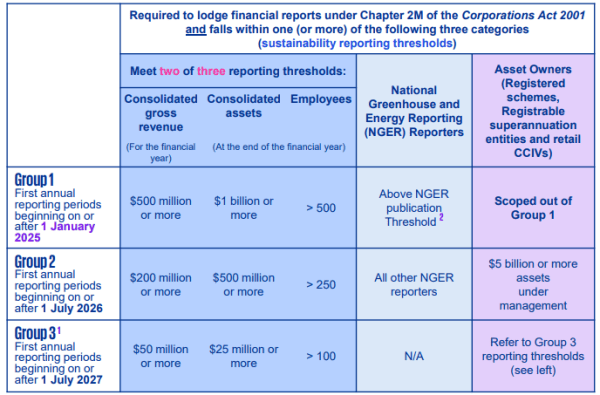
How does this tool align with Australia’s carbon reduction targets?
The Federal Government is working towards a 43% reduction in emissions by 2030 (from 2005 levels) and net zero economy by 2050. The egg industry may be expected to contribute to these targets over time.
Can this tool help with market access and customer expectations?
Yes. Many retailers and supply chains are implementing sustainability policies, requiring producers to measure and reduce their emissions. Using this calculator can help you meet those expectations.


People in Agriculture Human resources materials for employers. Farm employment information for employees.