Leading Research


To generate focused research, Australian Eggs works with industry to build a clearer understanding of the needs of farmers, identifies research groups with the skills to address the issues, and develops targeted research project ideas that have clear pathways to on-farm adoption.
Australian Eggs Open Call for Research Proposals
Australian Eggs announces our annual open call for research proposals in line with accompanying research priority areas. Through a process of consultation with industry stakeholders, Australian Eggs have identified 11 priority areas. We invite all interested researchers to submit a research proposal by 2 November 2026.
Please complete a Research Proposal Template and submit to [E-Mail not displayed].
Any questions relating to the process or the Research Proposal Template can be emailed to [E-Mail not displayed].
Latest Research Project
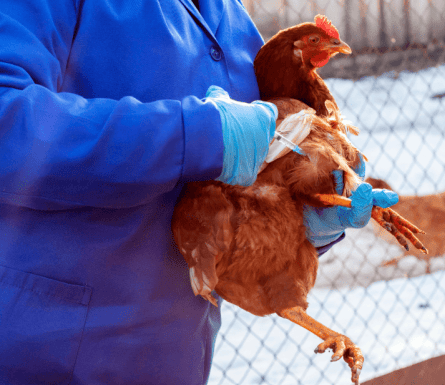
Development of single administration, slow release vaccine delivery system
This project aims to develop a single-shot, slow-release vaccine delivery system using hydrogel technology. It will investigate the best vaccine release pattern from hydrogel implants (extended “burst” verses multiple “pulses”) to induce immunity.
Filter by Category

Climate Resilience Preparedness
This project is designed to help the egg industry understand and prepare for the impacts of climate-related events by improving business resilience. The first phase will review existing climate resilience programs and resources available to industry to identify gaps and opportunities for improvement.

Matrix matters: Yolk-driven advantages for exercise recovery
This project will investigate the role of eggs in post-exercise recovery, building on research that suggests whole eggs may support muscle repair more effectively than egg whites alone.
Manure emissions management
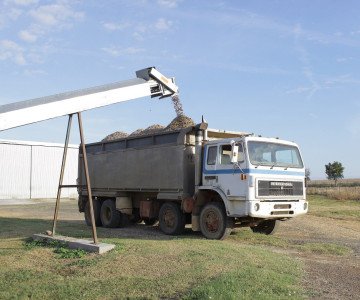
This project looks at greenhouse gas (GHG) emissions from all major layer manure management options, not just composting, to help the industry identify practical and cost-effective solutions.
Sustainable technologies for spent hen disposal
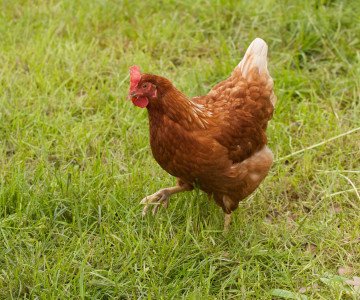
With disposal methods of spent hens becoming limited for industry, this project is designed to deliver an evidence-based assessment of alternative spent hen disposal technologies, regulatory frameworks and economic flows to make the findings relevant for the different scale of farming.

Optimising organic waste and cultivating circularity for Australian agriculture
Optimising Organic Waste and Cultivating Circularity for Australian Agriculture explores how circular economy approaches can help Australian agriculture become more resilient, productive and sustainable.
Evaluating the effectiveness of wild bird deterrents in Poultry Operations for Avian Influenza Control: A literature review
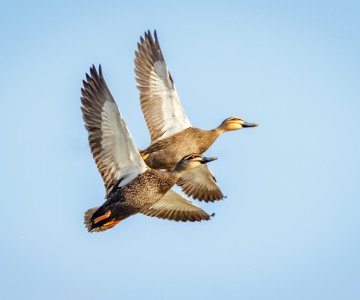
Avian Influenza poses a significant threat to poultry health, public health, and the global agricultural economy. The growing concern over Avian Influenza (AI) in commercial poultry operations, particularly free-range systems, has underscored the importance of effective bird deterrents.
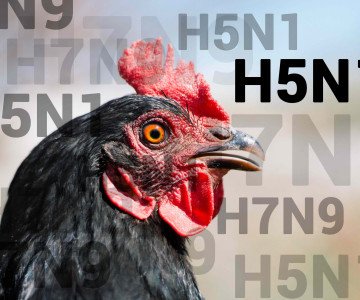
Avian influenza aerosol spread risk and mitigation
This project aims to improve understanding of high pathogenic avian influenza (HPAI) aerosol transmission during depopulation and disposal (D&D) on infected chicken layer farms in Australia. The project will quantify virus viability in shed litter, measure fine dust aerosol generation during D&D, and estimate aerosol transmission risk.
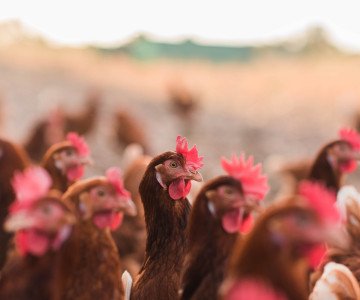
Ornithobacterium rhinotracheale (ORT) pathogenicity
This project is an extension to a previous project on upper respiratory tract infections (URTIs) in free-range layers in Australia. The research resulted in identification of 69 isolates of Ornithobacterium rhinotracheale (ORT), which is an emergent respiratory bacterial pathogen in poultry.
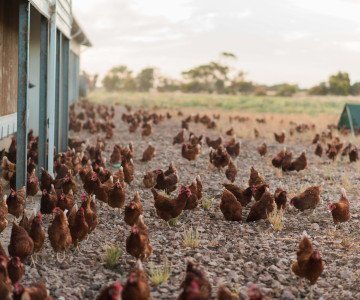
Loop Mediated Isothermal Amplification (LAMP)-based environmental bioaerosol sampling for early avian influenza detection
Detecting avian influenza (AI) in its avian hosts through environmental DNA/RNA sampling offers a promising method for real-time monitoring. This early detection strategy could improve on-farm disease surveillance and bolster prevention and control efforts against highly pathogenic avian influenza (HPAI) outbreaks.
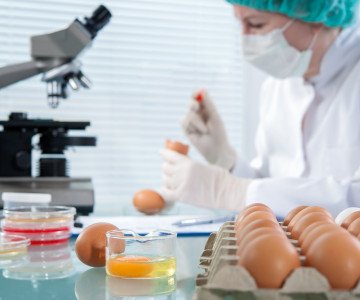
Addressing Avian Pathogenic Escherichia coli (APEC) for Australian egg industry
This study addresses an industry need to better understand and mitigate the impact of Avian Pathogenic Escherichia coli (APEC) in layer chickens. By utilising a large sample collection of over 5,000 E.

Egg industry carbon:nitrogen ratio composting calculator
Composting presents challenges for farmers due to high operational costs and difficulties achieving consistent, high-quality results. This project aims to develop a simplified ‘carbon:nitrogen’ ratio calculator that helps farmers identify optimal feedstock combinations, streamlining the composting process and supporting production of higher-quality compost products.
Composting workshops
Composting presents challenges for farmers due to high operational costs and difficulties achieving consistent, high-quality results.
Decision making tool on waste management
The scope of this project is to develop and deploy an online, user friendly, and interactive web-based decision support tool to help producers identify viable strategies for waste and by-product utilisation and/or management on their farms.
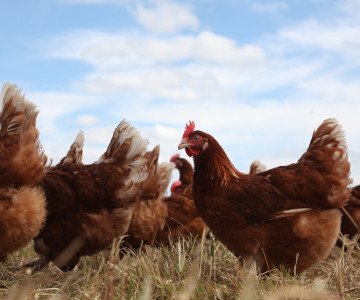
Update to the Egg Industry Environmental Guidelines
This project provided an update of the Egg Industry Environmental Guidelines, with a specific focus on incorporating current and emerging waste management strategies and greenhouse gas emissions requirements to align with emerging EPA regulations across various states.

Optimising calcium and phytase levels to enhance eggshell quality
This project focuses on improving eggshell quality and laying performance in Australian layer hens by fine tuning calcium and phytase nutrition during the pullet and late-lay phases. It will combine controlled research trials with largescale commercial validation to generate practical, industry relevant data.
Projects you might find interesting
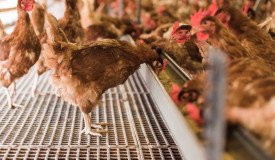
Alternative protein-rich ingredients for Australian pigs and laying hens
Feed cost accounts for 70% of the production costs in farming, and any strategy to reduce it will have a significant impact on total production costs and farm profitability.
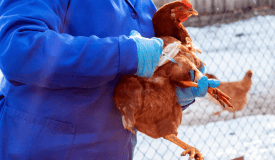
Development of single administration, slow release vaccine delivery system
This project aims to develop a single-shot, slow-release vaccine delivery system using hydrogel technology. It will investigate the best vaccine release pattern from hydrogel implants (extended “burst” verses multiple “pulses”) to induce immunity.
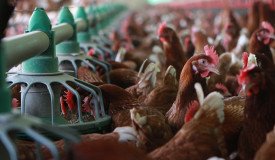
Practical strategies to increase individual layer hens feed efficiency
The overall findings of this study reveal that significant variation exists in the feed efficiency of layer hens. In this project, hens that put on more weight from the point of lay to mid-lay tended to be less feed efficient and have poorer quality eggs. The high feed efficient hens had better egg quality and were less prone to liver damage or fatty liver.
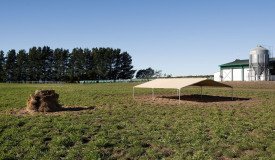
Review of rodent control for the Australian chicken meat and egg industries
This final report on current rodent control strategies employed by the Australian chicken meat and egg industries also includes a manual for producers on use of rodenticide products.
Want to see what an egg farm looks like? Take this interactive 360 degree tour to see how eggs are produced in Australia.
