Leading Research


To generate focused research, Australian Eggs works with industry to build a clearer understanding of the needs of farmers, identifies research groups with the skills to address the issues, and develops targeted research project ideas that have clear pathways to on-farm adoption.
Australian Eggs Open Call for Research Proposals
Australian Eggs announces our annual open call for research proposals in line with accompanying research priority areas. Through a process of consultation with industry stakeholders, Australian Eggs have identified 11 priority areas. We invite all interested researchers to submit a research proposal by 2 November 2026.
Please complete a Research Proposal Template and submit to [E-Mail not displayed].
Any questions relating to the process or the Research Proposal Template can be emailed to [E-Mail not displayed].
Latest Research Project
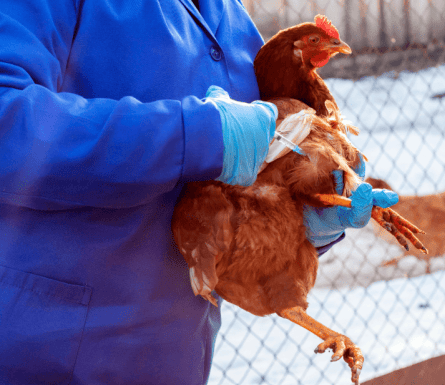
Development of single administration, slow release vaccine delivery system
This project aims to develop a single-shot, slow-release vaccine delivery system using hydrogel technology. It will investigate the best vaccine release pattern from hydrogel implants (extended “burst” verses multiple “pulses”) to induce immunity.
Filter by Category
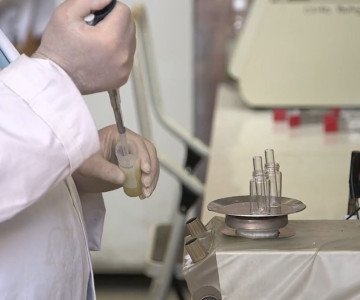
Investigating the cause of Miliary Hepatitis in laying chickens
Miliary hepatitis can cause mortalities and loss of egg production in chickens.The cause is unknown.This trial attempted to establish a model of the disease, so that preventative and control measures can be undertaken.
Typing of Pasteurella multocida
The objective of the project was to establish a novel DNA-based typing scheme for Pasteurella multocida.This publication describes the development of the first ever Multi-locus Sequence Typing scheme for this bacteria. .

Legumes for poultry: Improvement of lupins and lathyrus for broilers and egg layers by enzyme treatment
This research is aimed at making locally-produced legumes, lupins and lathyrus, acceptable substitutes for expensive imports such as soybean meal or animal-protein meals for inclusion in poultry diets.
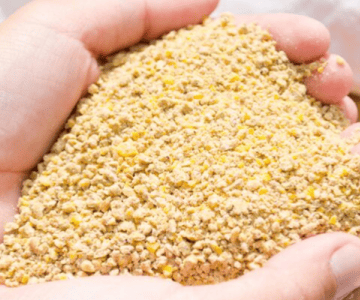
Energy requirements of imported layer strains
This study aims to determine the required energy intake of layer hen strain in terms of dietary energy concentration, feed intake, egg output, body weight and body fat content, in order to design diets that are nutrition and cost effective.
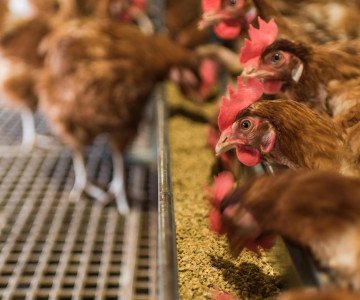
Inflammatory response to diet in the hindgut of layers
The aim of the project was to investigate the effects of diet change over the short and long term in chickens, to determine whether this caused an inflammation of the hindgut tissues. .
Further development of a live attenuated vaccine for chicken anaemia virus
This study is a follow up to a previous study on chicken anaemia virus and the improvement of a Live Attenuated Vaccine for the virus.
Investigating sanitation of surface water for poultry using chlorine - IBDV models
To minimise the spread of disease, chlorination has been identified as the most appropriate and cost effective method for treating surface water in the poultry industry.
National Food Safety Risk Profile of Eggs and Egg Products
This report set out to identify the following; hazards that enter any point of the food chain for eggs and egg products, potential management strategies for the identified high risk hazards, and product/pathogen combinations in which further risk analysis might be required by risk managers.

Elimination of "fishy" taint in eggs from hens fed diets containing canola meal
When fed canola meal, the presence of a compound called sinapine in the meal often causes hens to lay eggs with a fishy taint.This study aims to identify the exact levels of sinapine that cause this, and to eliminate the phenomenon.
Projects you might find interesting
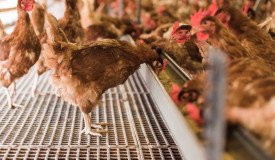
Alternative protein-rich ingredients for Australian pigs and laying hens
Feed cost accounts for 70% of the production costs in farming, and any strategy to reduce it will have a significant impact on total production costs and farm profitability.
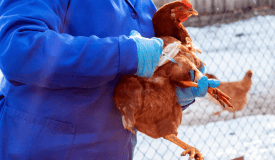
Development of single administration, slow release vaccine delivery system
This project aims to develop a single-shot, slow-release vaccine delivery system using hydrogel technology. It will investigate the best vaccine release pattern from hydrogel implants (extended “burst” verses multiple “pulses”) to induce immunity.
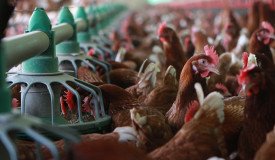
Practical strategies to increase individual layer hens feed efficiency
The overall findings of this study reveal that significant variation exists in the feed efficiency of layer hens. In this project, hens that put on more weight from the point of lay to mid-lay tended to be less feed efficient and have poorer quality eggs. The high feed efficient hens had better egg quality and were less prone to liver damage or fatty liver.
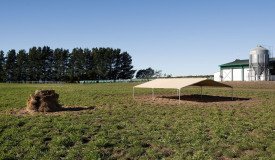
Review of rodent control for the Australian chicken meat and egg industries
This final report on current rodent control strategies employed by the Australian chicken meat and egg industries also includes a manual for producers on use of rodenticide products.
Want to see what an egg farm looks like? Take this interactive 360 degree tour to see how eggs are produced in Australia.
