Blog
Tips, tricks and everything you need to know to cook the perfect egg in any style you please.
This site requires you to update your browser. Your browsing experience may be affected by not having the most up to date version.
Please visit browser-update.org to upgrade.
JavaScript has been disabled in your browser. Please enable JavaScript to experience the full functionality of our website.
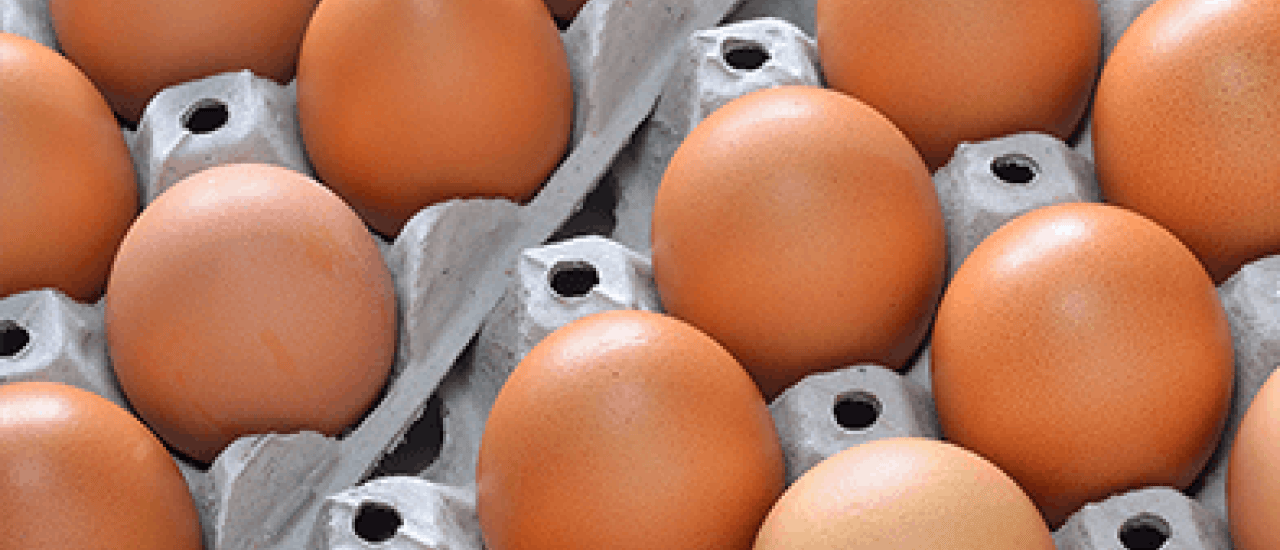

How long do eggs last? How can you tell when they’re off? And why do some eggs seem to spoil so quickly?
Eggs are a nutritional powerhouse, but their health benefits (and deliciousness) depend on how well they’re handled and stored. Get the most from every carton with our easy tips on proper storage, how to spot when eggs are past their best, and how to make use of older ones without waste.
When storing eggs in the fridge, always go by the use-by date on the carton first. Outside of this date, fresh eggs can generally last in the fridge for up to 6 weeks. As always, put eggs into the fridge as soon as you get home, and keep them within their packaging.
If you have eggs that are expiring soon, fret not! There are plenty of uses for older eggs. Use them for baking cakes, quiches, and frittatas.
Older eggs are also ideal for hard-boiling, scrambling, and making omelettes. Older eggs are actually easier to hard boil, as the shell readily peels off the egg white. If you love poaching or frying, we recommend using eggs when they are fresh, since they are more likely to retain their shape.
How to Tell If Eggs Are Off in 6 Ways
Eggs should ideally be refrigerated to maintain peak freshness, quality, and safety. Refrigeration significantly slows down bacterial growth and reduces the risk of contamination, keeping your eggs safer for longer periods.
Eggs have porous shells, which means they can absorb odours and moisture from their surroundings, potentially accelerating spoilage if left at room temperature. By storing your eggs in their original carton within the fridge, you not only keep them fresher but also prevent moisture loss and protect them from absorbing other food odours.
Avoid placing eggs in the fridge door, where frequent opening can cause temperature fluctuations; instead, opt for a central shelf to maintain a consistent temperature. Want to know more about the science behind egg refrigeration? Check out our detailed guide below.
Eggs are a fresh food product, which puts them at higher risk of contracting bacteria like Salmonella. Egg farmers carry out a number of measures to minimise the presence of Salmonella, ranging from cleaning farm sheds, cool storage and transportation of eggs, minimising egg temperature variations, separating out dirty and cracked eggs, or even washing and sanitising eggs.
To ensure we’re not at risk, we need to continue taking care of our eggs once they leave the supermarket. This includes refrigeration, which has been shown to slow down bacterial growth.
Not sure if those eggs hanging out in your fridge are safe to eat? Try the float test – a simple way to check freshness at home:
You can also crack an egg into a bowl before using it:
Egg Float Test: A Simple Way to Check Egg Freshness
Tips, tricks and everything you need to know to cook the perfect egg in any style you please.
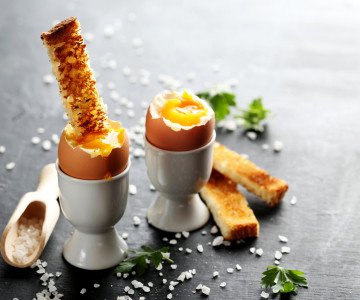
If you're looking for some hard-boiled egg hacks, you've come to the right place. We’ll be honest and say we didn't just wake up one day to find these methods all laid out. It’s been a lot of trying (sometimes failing) countless means, in an epic attempt to serve you up the easiest ways to peel eggs – every time.
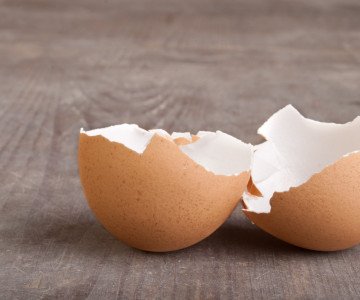
Hands up if there’s nothing worse than picking out egg shells (both ours are raised). So what can you do about it? Well, we’ve assembled the pick of the bunch when it comes to foolproof ways to crack the perfect egg.
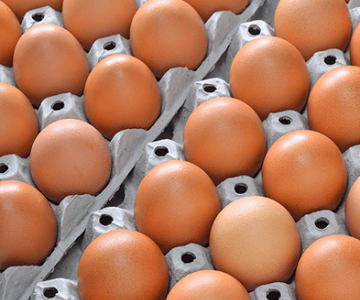
How long do eggs last? How can you tell when they’re off? And why do some eggs seem to spoil so quickly? Eggs are a nutritional powerhouse, but their health benefits (and deliciousness) depend on how well they’re handled and stored.
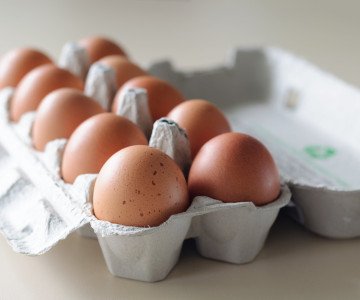
Eggs are a staple in most Australian kitchens, but when it comes to storage, there’s often confusion. Should you keep eggs in the fridge or the pantry? How long do refrigerated eggs last? And what’s the safest way to store them?
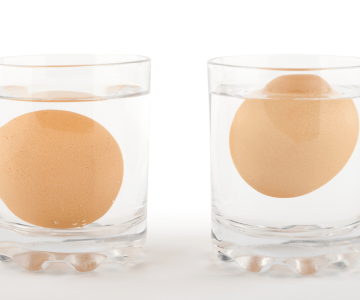
Worse than a flat pancake or a smelly omelette is cooking with a rotten egg. Not only does it smell a bit funny, but you could even risk food poisoning. How can you tell if eggs are off without cracking the shell?

How many times have you cracked an egg into a bowl of other ingredients, only to question whether the egg has gone bad or not?
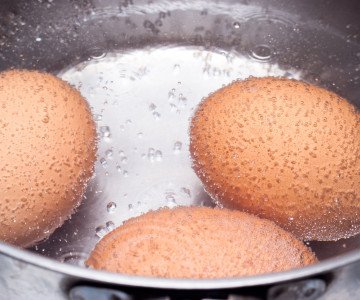
As an Australian household staple, eggs are an important source of nutrition for the vast majority of people. While egg farmers supply a safe, clean, fresh product, it is possible for eggs to become contaminated by the food poisoning bacteria Salmonella.
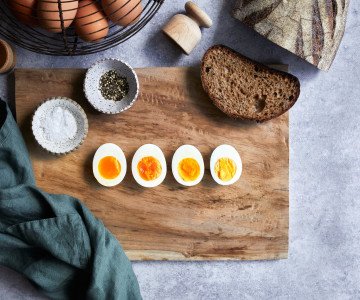
Watch our egg masterclass videos below to learn how to make the perfect eggs at home every time.

We've done the hard work for you by collecting the best tips and tricks from our partners to bring you the ultimate guide for nailing every meal on any occasion.
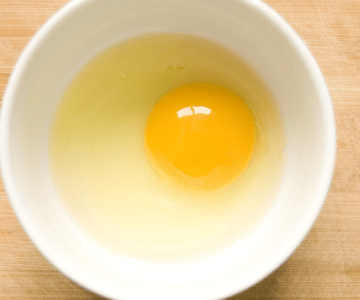
Ever since Rocky started guzzling eggs in the 1976 classic, raw eggs have been a popular food among bodybuilders and athletes. Despite this, many non-athletes are hesitant about consuming uncooked eggs because of the risk of food poisoning.