Animal Welfare
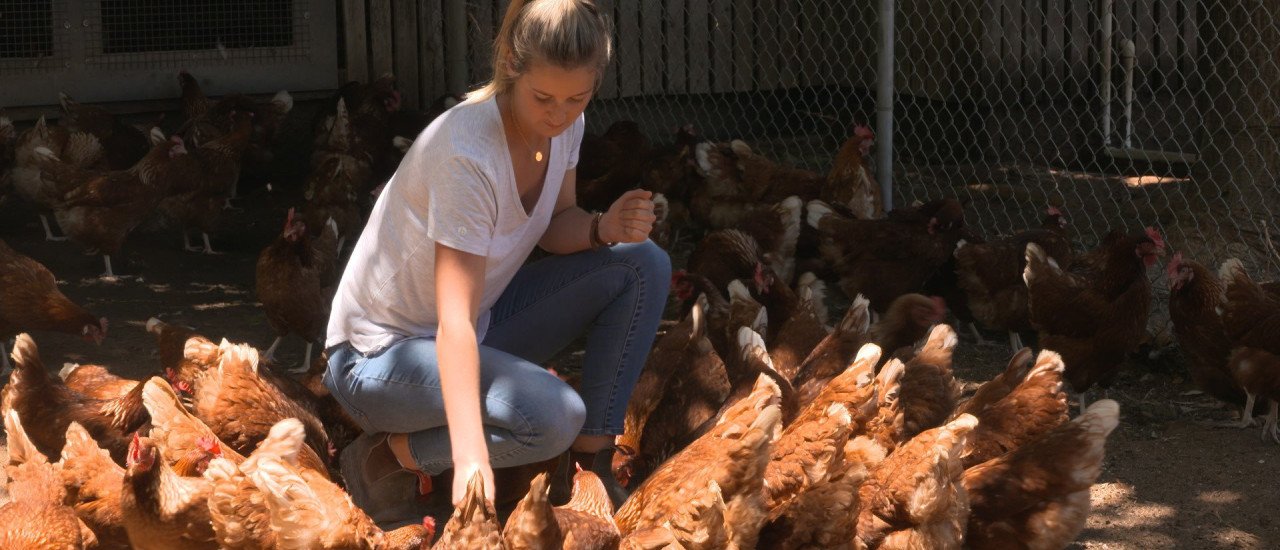

Animal Welfare refers to the protection of the health and well-being of animals. It concerns how an animal is coping in its living environment in terms of freedom from hunger and thirst, fear and distress, discomfort, pain injury or disease, and the freedom to express natural behaviours.
Hen welfare is critical for an efficient and sustainable egg farming business. Improving hen health and welfare represents an important opportunity for productivity gains in each egg production system and to ensure that management practices align with consumer expectations.
The investment in hen welfare RD&E means that animal husbandry on-farm is supported by robust, replicated and peer reviewed science, with key research outcomes regarding best management practice being communicated to all stakeholders.
It is intended that outcomes will be animal welfare gains, productivity improvements and the ongoing sustainability of Australian’s egg industry.
Key Resources
Model Code of Practice for Domestic Poultry
The minimum standards outlined in this code are intended to help people involved in the care and management of poultry to adopt standards of husbandry that are acceptable.
Land Transport of Poultry Standards and Guidelines
Standards and guidelines that ensure the welfare of poultry during land transport.
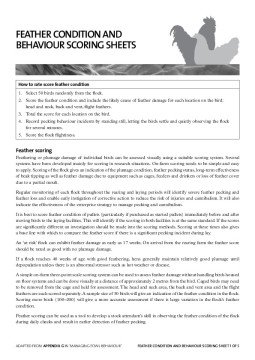
Feather condition and behaviour score sheet
Scoring sheets for monitoring plumage condition, pecking behaviour, flock vocalisation and flightiness. These sheets can also be used to train stock hands to develop their skills in observing and detecting changes in flock behaviour during daily checks. (Print in colour for best results)
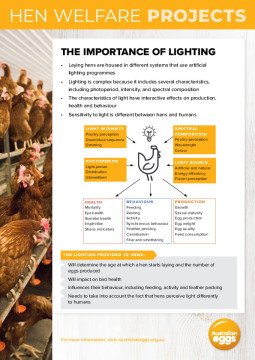
4 x Best practice lighting management factsheets
These fact sheets outline basic information about the relationship between lighting and hen health, productivity and behaviour.


Current Research
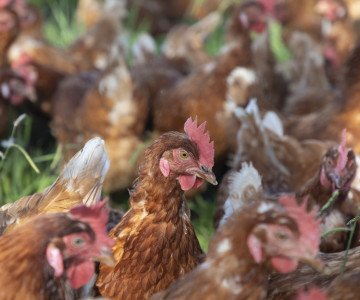
Birds pile-up detection and smothering prevention system on commercial farms
This project builds on the outcomes of previous Australian Eggs research projects which developed the algorithms to identify flock behaviour, including bird piling. Using this artificial intelligence (AI) technology, a bird piling detection system will be designed to alert egg farmers, in real time, when a piling event commences.
Completed Research
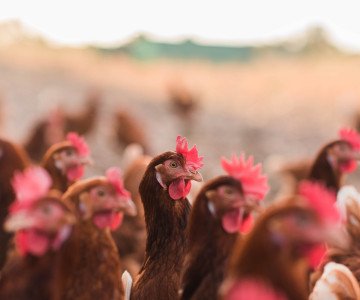
Phenotypic and genotypic profiles of hens that pile
This project provided information to reduce piling and smothering through short- and long-term strategies, which improved productivity and bird welfare. The project led by University of Melbourne and in partnership with University of Bern and a major breeding company, is part of a larger international project “HenTrack”.
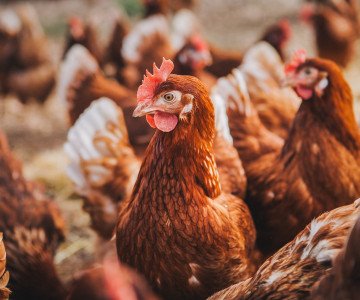
Monitoring hen health with machine vision on free range farms
This project will develop a proof-of-concept machine vision system with the capability to detect abnormal flock appearance and behaviour, that would indicate poor animal health or welfare.
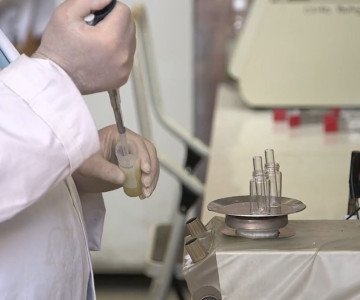
Non-invasive technology for gender determination of fertilised chicken eggs
Researchers used an optical technique to develop a device that can automatically determine the gender of chicken eggs.
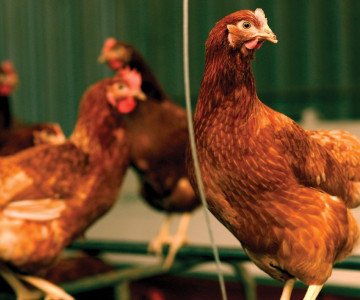
What causes smothering in commercial free-range laying hens?
A project to identify factors associated with smothering.
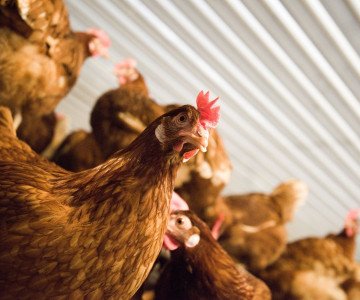
Automated, real-time monitoring of bird and flock movement and behaviour - Phase 1
This proof of concept research developed an automated intelligence, video-based system which recognises individual birds within the shed and their activities in real-time.
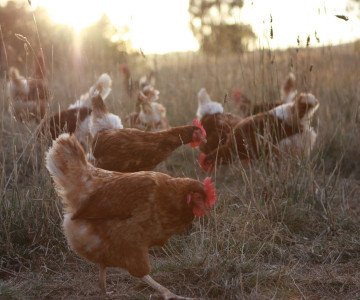
Values in layer hen welfare 2.0: The application of community values to key layer hen welfare issues
Following on from the Australian Eggs Animal Welfare and Values project, completed in June 2019, this project sought to expand understanding of animal welfare by exploring how the community applies values to key welfare issues using social science research methods.
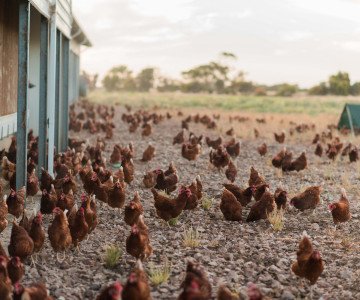
Hen ranging behaviour in relation to light and UV intensity
This project found that free range hens will avoid times of peak sun intensity and thus may not range as much during the summer months.
Practical strategies to measure hen welfare
This project developed a method to detect positive and negative affective states in layer flocks through blood and egg samples.
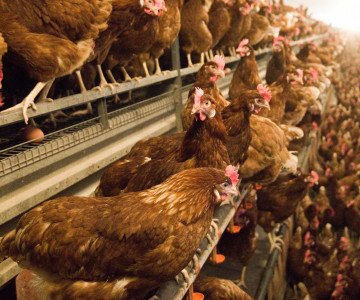
Egg Farming Systems Welfare Science Review
A scientific review of layer welfare research. The final report provides a summary of the advantages, disadvantages and issues of different egg production systems.
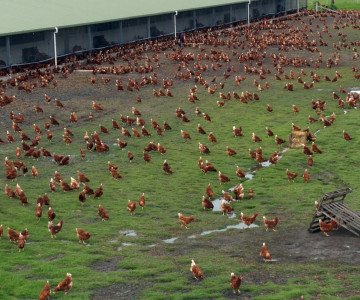
Clouds and Pasteurella multocida
The importance of genetic variation within a pathogen (the concept of a “cloud” as opposed to a single species or indeed a single clone) and their impact is well appreciated in poultry vaccines and poultry diseases.
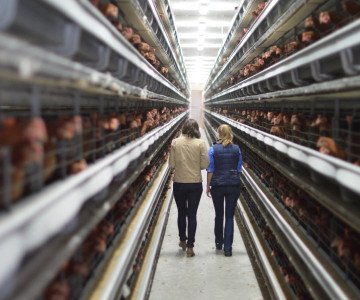
Animal Welfare and Values
Australian Eggs engaged a panel of researchers, including animal welfare scientists, veterinary and social science experts to identify and describe values based elements that arise in the context of the available frameworks for animal welfare on egg farms.
Best Practice Lighting Management for Australian Layers
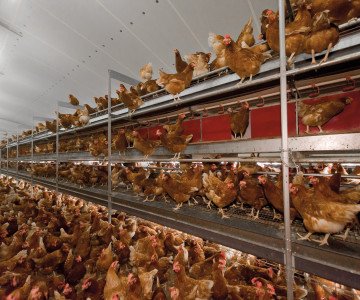
A review of lighting systems in hen housing facilities, to understand factors that can help boost flock productivity through optimising bird growth, onset of lay, desired behaviours and number of eggs laid.

Effects of phasing out caged farming in Europe
This project investigated egg production in Germany, the Netherlands and the UK, where conventional cage systems for laying hens are no longer permitted. The report gives an overview of some of the systems and equipment in use; their set-up and cost, and flock management practices in place.
Improving stockperson attitudes to chickens
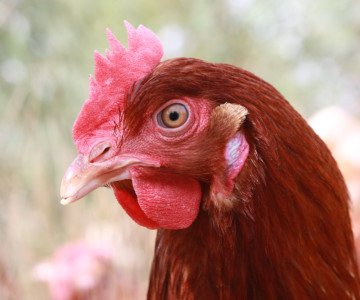
Increased positive stockperson attitudes to hens through the development of clicker training workshops.

Free range hen welfare: Characterisation of ‘outdoor’ and ‘indoor’ hens and physical features in the range
Egg production, health and egg quality implications addressed through characterisation of the effects of the use of the outdoor range on behaviour and physiology of free-range hens.
Projects you might find interesting
Hen ranging behaviour in relation to light and UV intensity
This project found that free range hens will avoid times of peak sun intensity and thus may not range as much during the summer months.
Want to see what an egg farm looks like? Take this interactive 360 degree tour to see how eggs are produced in Australia.
