Leading Research
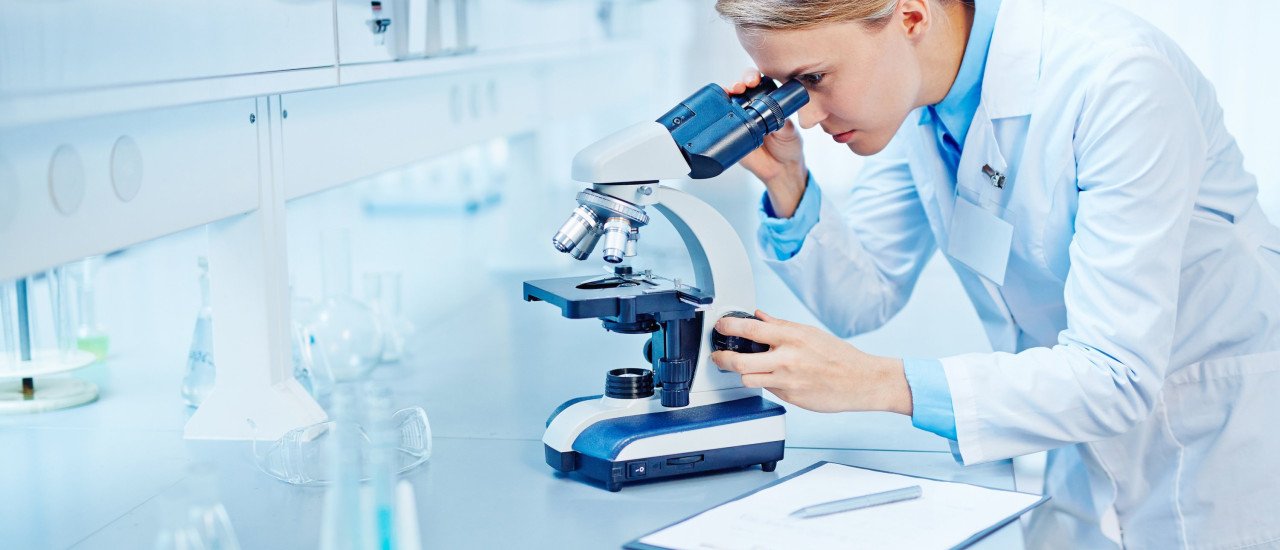

To generate focused research, Australian Eggs works with industry to build a clearer understanding of the needs of farmers, identifies research groups with the skills to address the issues, and develops targeted research project ideas that have clear pathways to on-farm adoption.
Australian Eggs Open Call for Research Proposals
Australian Eggs announces our annual open call for research proposals in line with accompanying research priority areas. Through a process of consultation with industry stakeholders, Australian Eggs have identified 11 priority areas. We invite all interested researchers to submit a research proposal by 2 November 2026.
Please complete a Research Proposal Template and submit to [E-Mail not displayed].
Any questions relating to the process or the Research Proposal Template can be emailed to [E-Mail not displayed].
Latest Research Project
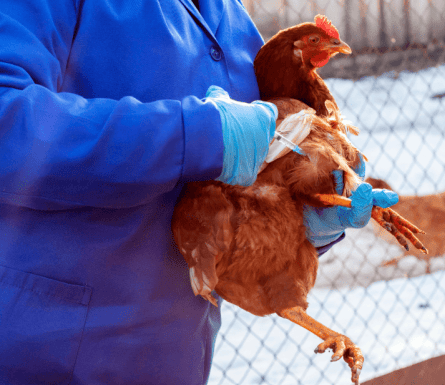
Development of single administration, slow release vaccine delivery system
This project aims to develop a single-shot, slow-release vaccine delivery system using hydrogel technology. It will investigate the best vaccine release pattern from hydrogel implants (extended “burst” verses multiple “pulses”) to induce immunity.
Filter by Category
Climate Resilience Preparedness
This project is designed to help the egg industry understand and prepare for the impacts of climate-related events by improving business resilience. The first phase will review existing climate resilience programs and resources available to industry to identify gaps and opportunities for improvement.
Manure emissions management
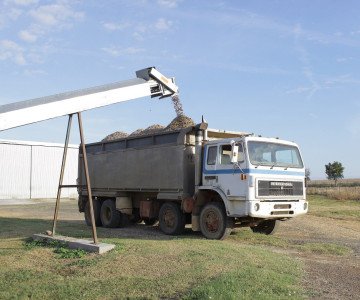
This project looks at greenhouse gas (GHG) emissions from all major layer manure management options, not just composting, to help the industry identify practical and cost-effective solutions.
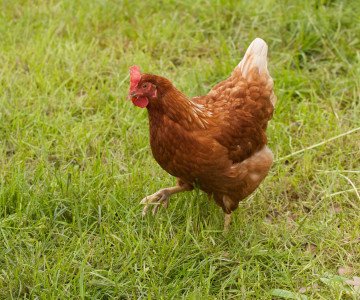
Sustainable technologies for spent hen disposal
With disposal methods of spent hens becoming limited for industry, this project is designed to deliver an evidence-based assessment of alternative spent hen disposal technologies, regulatory frameworks and economic flows to make the findings relevant for the different scale of farming.

Optimising organic waste and cultivating circularity for Australian agriculture
Optimising Organic Waste and Cultivating Circularity for Australian Agriculture explores how circular economy approaches can help Australian agriculture become more resilient, productive and sustainable.

Egg industry carbon:nitrogen ratio composting calculator
Composting presents challenges for farmers due to high operational costs and difficulties achieving consistent, high-quality results. This project aims to develop a simplified ‘carbon:nitrogen’ ratio calculator that helps farmers identify optimal feedstock combinations, streamlining the composting process and supporting production of higher-quality compost products.
Composting workshops
Composting presents challenges for farmers due to high operational costs and difficulties achieving consistent, high-quality results.
Decision making tool on waste management
The scope of this project is to develop and deploy an online, user friendly, and interactive web-based decision support tool to help producers identify viable strategies for waste and by-product utilisation and/or management on their farms.
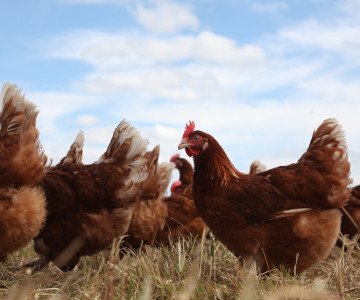
Update to the Egg Industry Environmental Guidelines
This project provided an update of the Egg Industry Environmental Guidelines, with a specific focus on incorporating current and emerging waste management strategies and greenhouse gas emissions requirements to align with emerging EPA regulations across various states.

GHG Emission Calculator Extension
With the successful launch of the Egg Industry Emissions Calculator in late 2023, this project aims to enhance egg farmer’s knowledge and capabilities for emissions calculating and reporting as well as identify high emission areas and opportunities for improvements in reducing their carbon footprint.
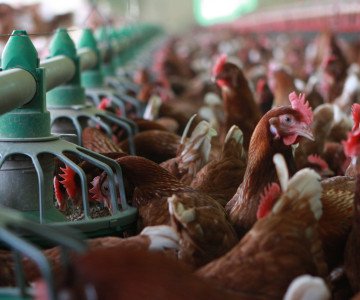
Sustainable feed to optimise layers’ productive life
This is a highly beneficial project which will reduce the carbon footprint, reduce feed cost, and promote layer life. This will be done by replacing soybean meal (SBM) with combination of canola meal (CM) and insect meal (BSFL: black soldier fly larvae).
Carbon calculator tool for the egg industry
Australian Eggs has produced a spreadsheet-based calculator which enables farmers to input data to determine their carbon footprint and total on-farm emissions.
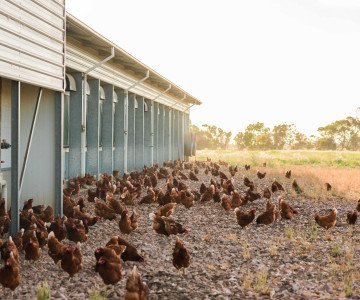
Determining manure deposition in free range sheds and free range areas
This project was conducted to assist free range egg producers with the management of manure nutrients to minimise the risk of environmental impact.
Optimising waste and by-product utilisation and conversion to value streams
This project quantified the volume of waste and by-products produced by the egg industry, and reported total nutrients contained in the by-products. In addition, a manual outlining viable strategies for by-product and waste management and utilisation was produced.

Carbon and environmental impacts of poultry production: 2020 and beyond
Climate change action is a global priority for governments, business and industries. The egg industry produces highly efficient, high-quality food products with a relatively low environmental footprint but along with every sector, there is an imperative to reduce impacts over time.

Cost effective and practical ways to regenerate layer hen ranges
The vegetation and functionality of the range areas of free range layer hens can be diminished due to physical damage, as well as nutrients from excreta, with the increase of weed plant species, soil compaction in heavily utilised areas and parasite build up in soils.
Projects you might find interesting
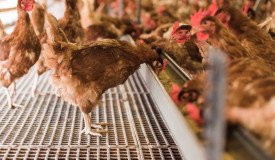
Alternative protein-rich ingredients for Australian pigs and laying hens
Feed cost accounts for 70% of the production costs in farming, and any strategy to reduce it will have a significant impact on total production costs and farm profitability.
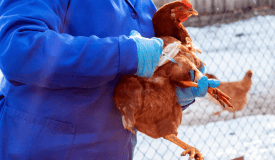
Development of single administration, slow release vaccine delivery system
This project aims to develop a single-shot, slow-release vaccine delivery system using hydrogel technology. It will investigate the best vaccine release pattern from hydrogel implants (extended “burst” verses multiple “pulses”) to induce immunity.
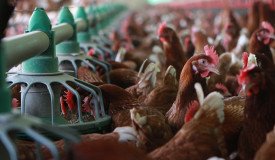
Practical strategies to increase individual layer hens feed efficiency
The overall findings of this study reveal that significant variation exists in the feed efficiency of layer hens. In this project, hens that put on more weight from the point of lay to mid-lay tended to be less feed efficient and have poorer quality eggs. The high feed efficient hens had better egg quality and were less prone to liver damage or fatty liver.
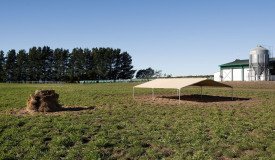
Review of rodent control for the Australian chicken meat and egg industries
This final report on current rodent control strategies employed by the Australian chicken meat and egg industries also includes a manual for producers on use of rodenticide products.
Want to see what an egg farm looks like? Take this interactive 360 degree tour to see how eggs are produced in Australia.
