Leading Research


To generate focused research, Australian Eggs works with industry to build a clearer understanding of the needs of farmers, identifies research groups with the skills to address the issues, and develops targeted research project ideas that have clear pathways to on-farm adoption.
Australian Eggs Open Call for Research Proposals
Australian Eggs announces our annual open call for research proposals in line with accompanying research priority areas. Through a process of consultation with industry stakeholders, Australian Eggs have identified 11 priority areas. We invite all interested researchers to submit a research proposal by 2 November 2026.
Please complete a Research Proposal Template and submit to [E-Mail not displayed].
Any questions relating to the process or the Research Proposal Template can be emailed to [E-Mail not displayed].
Latest Research Project
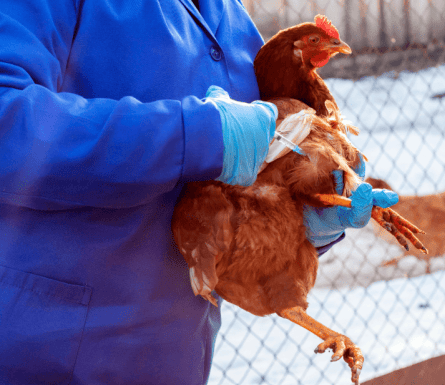
Development of single administration, slow release vaccine delivery system
This project aims to develop a single-shot, slow-release vaccine delivery system using hydrogel technology. It will investigate the best vaccine release pattern from hydrogel implants (extended “burst” verses multiple “pulses”) to induce immunity.
Filter by Category

Matrix matters: Yolk-driven advantages for exercise recovery
This project will investigate the role of eggs in post-exercise recovery, building on research that suggests whole eggs may support muscle repair more effectively than egg whites alone.

Quantifying the amount and bioavailability of iron in eggs
The quantity and bioavailability of iron (Fe) in eggs have been subject to ongoing debate. This study aimed to accurately quantify and characterise Fe speciation (including haem and non-haem Fe) in egg yolk, albumen and whole eggs, in both raw and cooked eggs.

Egg consumption and late-life depression - a review of the evidence
Prof Julie Pasco, Chair, Epidemiology of Musculoskeletal and Metabolic Disorders, at Deakin University in the School of Medicine, led a project comprising a systematic review and data-derived investigation of the association between egg consumption and depression in older adults.

Eggs for healthy aging: Optimising nutrition in older adults
Australia’s rapidly aging population creates both healthcare challenges and opportunities for the egg industry. Despite being an excellent source of high-quality protein and essential nutrients, egg's role in supporting older adult nutrition remains understudied.

Egg protein in the evening for improved sleep during peri-menopause
Insomnia affects 40-60% of women approaching menopause resulting in sleep deficits in 50% of those affected. Sleep deficit is associated with increased anxiety, metabolic disease, and dysregulated appetite. Eggs contain nutrients that may improve sleep, but it wasn't known if eating eggs as an evening snack improves sleep outcomes.
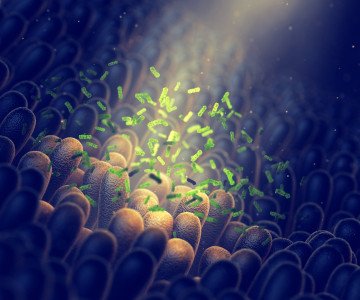
Gut Decisions: Effect of eggs on microbiome and cognition
Research by the University of Melbourne, commissioned by Australian Eggs, investigated the effects of regular egg consumption on human gut health and cognitive function, with a focus on how eggs may affect the link between our digestive system and our brain known as the “gut-brain axis”.

Eggs to improve choline intakes in young Australian children
Recent study has shown that Choline, readily available in eggs, is an essential nutrient required during pregnancy and the first two years of life. Insufficient choline intake during pregnancy and early life are associated with a lower IQ in the child.

Eggs for breakfast: long-term (6-month) impact on body weight
The aim of the study was to investigate, over 6 months, the impact of consuming 2 eggs for breakfast on 5 days per week compared with eating cereal for breakfast on body weight, body composition, glucose and lipids and Vitamin D status.

Eggs: protein that’s good for the planet and your body
This project focused on two key questions: identify the positive benefits of egg consumption, and identify influencing factors and barriers likely to encourage or prevent consumers from perceiving eggs as an appropriate nutritional and environmentally-friendly meat alternative.
Eggs for breakfast: acute satiety responses
Eggs eaten for breakfast resulted in a lower energy intake at lunch. Subjective measures of satiety indicated that hunger was less during the morning after the egg breakfast and returned more quickly after the cereal breakfast.

Systematic Review of Lutein and Zeaxanthin and the Maintenance of Vision
The objective of this systematic review was to assess whether dietary intake of lutein and zeaxanthin (L/Z) helps maintain vision in adults.
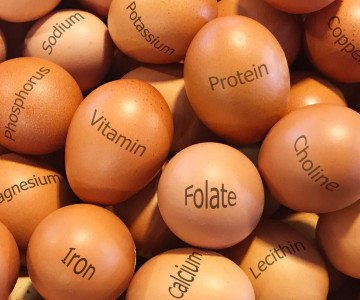
Development of an Australian Choline Database
This project was conducted to develop an Australian choline database for analysing population intakes and key food sources using the 2011-13 Australian Health Survey. Prior to this project no Australian choline data had been collated.

Eggs to improve Choline intake in pregnancy
If women consumed the equivalent of one extra egg a day, the percentage of women with adequate choline intakes would increase from 39% to 80%.

Effects of egg consumption on vitamin D status of adults
Despite Australia’s reputation as a sunburnt country, the vitamin D deficiency rate in Australians is among the highest in the world during the winter months.

Tolerance in raw egg allergy on consumption of cooked egg
Decreased prevalence of allergic sensitivity in infants through factual communication of scientific research findings.
Projects you might find interesting

Alternative protein-rich ingredients for Australian pigs and laying hens
Feed cost accounts for 70% of the production costs in farming, and any strategy to reduce it will have a significant impact on total production costs and farm profitability.
Development of single administration, slow release vaccine delivery system
This project aims to develop a single-shot, slow-release vaccine delivery system using hydrogel technology. It will investigate the best vaccine release pattern from hydrogel implants (extended “burst” verses multiple “pulses”) to induce immunity.

Practical strategies to increase individual layer hens feed efficiency
The overall findings of this study reveal that significant variation exists in the feed efficiency of layer hens. In this project, hens that put on more weight from the point of lay to mid-lay tended to be less feed efficient and have poorer quality eggs. The high feed efficient hens had better egg quality and were less prone to liver damage or fatty liver.

Review of rodent control for the Australian chicken meat and egg industries
This final report on current rodent control strategies employed by the Australian chicken meat and egg industries also includes a manual for producers on use of rodenticide products.
Want to see what an egg farm looks like? Take this interactive 360 degree tour to see how eggs are produced in Australia.
