Leading Research


To generate focused research, Australian Eggs works with industry to build a clearer understanding of the needs of farmers, identifies research groups with the skills to address the issues, and develops targeted research project ideas that have clear pathways to on-farm adoption.
Australian Eggs Open Call for Research Proposals
Australian Eggs announces our annual open call for research proposals in line with accompanying research priority areas. Through a process of consultation with industry stakeholders, Australian Eggs have identified 11 priority areas. We invite all interested researchers to submit a research proposal by 2 November 2026.
Please complete a Research Proposal Template and submit to [E-Mail not displayed].
Any questions relating to the process or the Research Proposal Template can be emailed to [E-Mail not displayed].
Latest Research Project
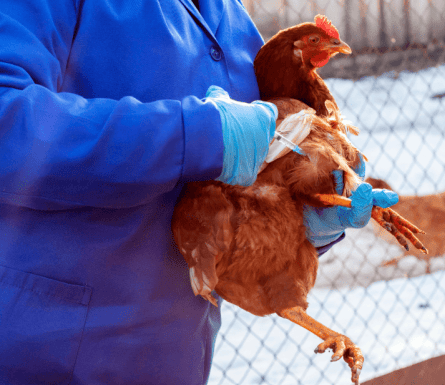
Development of single administration, slow release vaccine delivery system
This project aims to develop a single-shot, slow-release vaccine delivery system using hydrogel technology. It will investigate the best vaccine release pattern from hydrogel implants (extended “burst” verses multiple “pulses”) to induce immunity.
Filter by Category

Optimising calcium and phytase levels to enhance eggshell quality
This project focuses on improving eggshell quality and laying performance in Australian layer hens by fine tuning calcium and phytase nutrition during the pullet and late-lay phases. It will combine controlled research trials with largescale commercial validation to generate practical, industry relevant data.

Investigating improved rodent control strategies
This project investigated alternative rodent control strategies for egg farms beyond traditional anticoagulant rodenticides. The project addressed concerns from recent mouse plagues and overreliance on chemical controls, which raise resistance, secondary poisoning, and residue risks.

Ensuring egg safety: review of microbial control in the supply chain
This scope of this project is to determine if various lower storage temperatures will mitigate the
growth of Salmonella Enteritis and Salmonella Typhimurium. The work will involve literature
review, use of specific scientific databases, and collaboration with scientists to ensure accurate
information is gathered.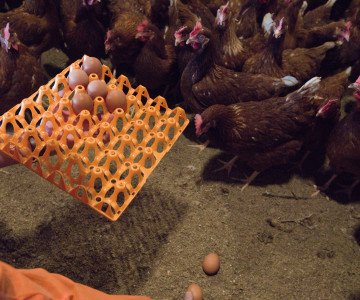
Floor eggs data analysis and trials
The conditions contributing to floor egg production are poorly understood. By identifying these conditions, targeted interventions can be used to minimise floor egg numbers, reducing the associated food safety and economic implications.

Surveillance for antimicrobial resistance in enteric commensals and pathogens in the Australian commercial egg industry
Funded by the Commonwealth government, the Australian egg industry investigated the levels of antimicrobial resistance of E. coli and Enterococcus on egg farms.
This research helps the egg industry to understand how effectively antimicrobials are currently being used.
Evaluation of the duration of immunity induced by a vaccination program against Salmonella Enteritidis 7A in laying hens in Australia (Stage 2).
In this research, a combination of live Salmonella Typhimurium and autogenous Salmonella Enteritidis (SE) vaccine did provide layers with a long- term humoral immune response, but did not prevent the shedding of Salmonella.
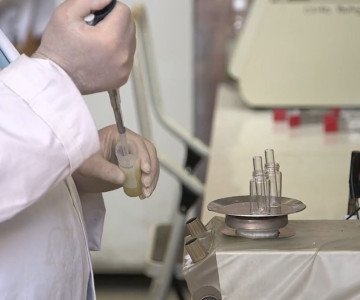
Evaluation of vaccination program options against Salmonella Enteritidis 7A in laying hens in Australia
This project tested three different vaccination programs for their efficacy in Salmonella Enteritidis (SE) prevention in laying hens. The results of this study indicated that SE control is possible using a combination of the current registered live Salmonella Typhimurium (ST) vaccines and an SE killed autogenous vaccine.
In Stage two of this project hens vaccinated with the ST + SE program were challenged 35 weeks after their second vaccination. Results indicated that vaccinated hens had a sustained humoral immune response, but were no less likely to be infected with SE long- term than non-vaccinated hens.
Promotion of competitive exclusion by ‘good’ bacteria against Salmonella
To investigate one way of biologically controlling Salmonella, potential control organisms were isolated from the layer farm environment by demonstration of inhibition to a single Salmonella Typhimurium strain. The ability of the isolates to inhibit Salmonella growth using the agar overlay method was assessed, then the ability of the isolates to competitively exclude Salmonella attachment to stainless steel coupons was assessed by the use of pre-formed biofilms.

Traceability for the egg industry
Robust traceability systems are critical to ensuring that in the event of egg quality and food safety issues, the correct farms, specific production areas or sheds can be efficiently identified, and steps taken to rectify concerns.
Traceability Technology Desktop Review
To review current egg traceability systems and available technologies to support enhanced traceability in the Australian egg industry
Antimicrobial resistance surveillance in Salmonella isolates from environments on Australian commercial egg farms
This project was conducted to identify the most appropriate mechanisms for obtaining and performing antimicrobial susceptibility testing on Salmonella isolates obtained from Australian layer shed environments.

Salmonella Enteritidis Response Plan- An Approach to Salmonella Enteritidis Detection
This report provides a guideline for industry response in the event of a Salmonella Enteritidis outbreak.
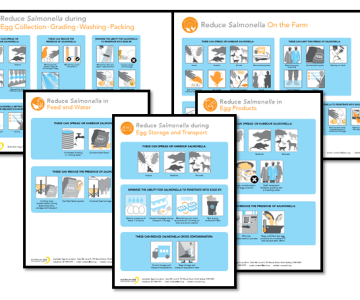
Through-Chain Salmonella Risk Identification
Effective response and management of salmonella challenges in the egg industry developed to defend the egg category, increase the strength of the egg brand and facilitate access to new markets.

Virulence of layer farm or egg associated Salmonella isolates
Improved understanding of the public health significance of Salmonella serovars and extent of invasiveness and virulence.

The Culinary Uses of Eggs
Effective response and management of salmonella challenges in the egg industry developed to defend the egg category, increase the strength of the egg brand and facilitate access to new markets.
Projects you might find interesting
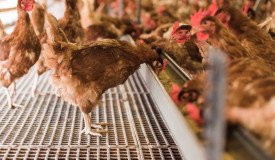
Alternative protein-rich ingredients for Australian pigs and laying hens
Feed cost accounts for 70% of the production costs in farming, and any strategy to reduce it will have a significant impact on total production costs and farm profitability.
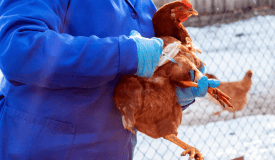
Development of single administration, slow release vaccine delivery system
This project aims to develop a single-shot, slow-release vaccine delivery system using hydrogel technology. It will investigate the best vaccine release pattern from hydrogel implants (extended “burst” verses multiple “pulses”) to induce immunity.
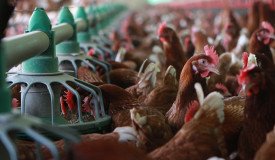
Practical strategies to increase individual layer hens feed efficiency
The overall findings of this study reveal that significant variation exists in the feed efficiency of layer hens. In this project, hens that put on more weight from the point of lay to mid-lay tended to be less feed efficient and have poorer quality eggs. The high feed efficient hens had better egg quality and were less prone to liver damage or fatty liver.
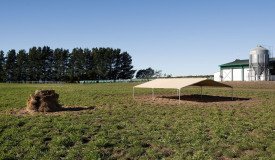
Review of rodent control for the Australian chicken meat and egg industries
This final report on current rodent control strategies employed by the Australian chicken meat and egg industries also includes a manual for producers on use of rodenticide products.
Want to see what an egg farm looks like? Take this interactive 360 degree tour to see how eggs are produced in Australia.
