Search Results

Research Project
Development of Molecular Tests for Serovar-Specific Identification and Typing of Haemophilus paragallinarum
Haemophilus paragallinarum is the causative agent of infectious coryza, an upper respiratory tract disease of chickens characterised by relatively mild clinical signs. As there have been few studies on methods to type isolates of H. Paragallinarum, this project set to evaluate two different types of rapid, DNA based typing methods. This project has validated the technique referred to as ERIC-PCR as a molecular typing tool for investigating outbreaks of infectious coryza. The technique was also shown to be as good as some alternative molecular techniques for typing reference strains of H. paragallinarum and field isolates of H. paragallinarum from outbreaks of infectious coryza in China.
Research Project
Vaccination and infectious bronchitis virus (IBV) challenge in mature laying hens
All pullets currently reared in Australia for egg production are vaccinated with live attenuated strains of infectious bronchitis virus (IBV). However, questions have been raised about possible negative effects of attenuated vaccines in adult layer birds. This study was carried to evaluate the effects of both pathogenic wild/field strains and vaccine strains of IBV on the oviduct and also to assess the protectivity of current vaccine strains.
Research Project
Evaluation of performance of tunnel ventilated layer housing
Competitive economic conditions mean that Australian egg producers seek ways to reduce the cost of egg production. Current housing design has proven unable to provide the economically optimum temperatures required by layers during winter and summer. This project analysed hen production and environmental performance in a tunnel ventilated laying house, demonstrating that by incorporating well designed tunnel ventilated housing, adequate insulation, good ventilation and air leakage prevention, it is possible to maintain temperature within the limits desired for efficient production.
Research Project
The importance of nests for the welfare of laying hens
As the majority of hens in Australia are housed in cages, which is a controversial animal welfare issue for the egg industry, an analysis of nest boxes and their use by laying hens is an important aspect of understanding the effect on bird welfare, behaviour, and ultimately, egg production.
Research Project
Improvements in laying flock management to optimise performance in a changing industry
Learn about Improvements in laying flock management to optimise performance in a changing industry with our focused research project.
Research Project
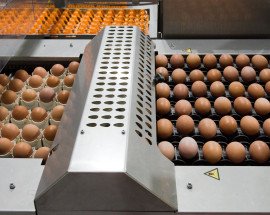
Salmonella control in layer chickens
To identify cost-effective vaccination regimes to limit and achieve a reduction of Salmonella colonisation in commercial layer chickens in Australia.
Research Project
Three vaccine trials on Marek's disease
The findings from three trials conducted to assess the efficacy of the newly developed RMIT vaccine against Marek's disease are detailed in the report on this project.
Research Project
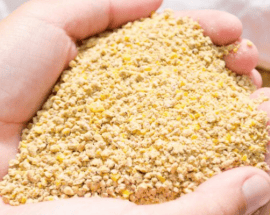
Energy requirements of imported layer strains
This study aims to determine the required energy intake of layer hen strain in terms of dietary energy concentration, feed intake, egg output, body weight and body fat content, in order to design diets that are nutrition and cost effective.
Research Project
The significance of wet droppings in laying hens
The project was initiated due to numerous complaints from the industry egg producers regarding the issue of wet droppings and the hygienic implications this causes. The focus of the project was to examine wet litter problems from a nutritional perspective and to develop strategies minimising the problem.
Research Project
Marek's disease vaccine trials in commercial birds
This trial was undertaken to develop effective immunisation strategies for the prevention of Marek's disease using newer vaccines developed by RMIT Melbourne.
Research Project
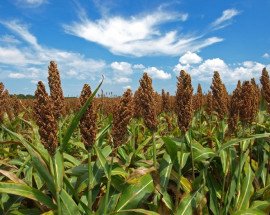
Impact of sorghum ergot in layer hens
Though sorghum is an important component of layer hen diet, it is highly susceptible to contamination of sorghum ergot. This project aims to determine the safe practical limits for use of ergot contaminated sorghum grain in layer diets.
Research Project
The Relationship Between Calcium Nutrition, Appetite, Growth, Production and Skeletal Development in Early Egg
This research report examines the relationship between body weight, feed intake, calcium nutrition, egg production and skeletal calcium content in three experiments using imported brown egg layers. The research also aims to evaluate the body weight standards provided by the international breeding companies in relationship to the appetite and growth problems identified in Australia.
People in Agriculture Human resources materials for employers. Farm employment information for employees.