• This site requires you to update your browser. Your browsing experience may be affected by not having the most up to date version.
    Please visit browser-update.org to upgrade.

  • JavaScript has been disabled in your browser. Please enable JavaScript to experience the full functionality of our website.

Nutritional Information

The information and resources contained on this page have been developed for Australian healthcare professionals, who are involved in discussions about dietary advice and nutrition, including eggs, with their patients or customers.

All information included on this page is based on the results of published clinical and scientific studies on eggs and nutrition, both from Australia and around the world, and has been reviewed by Accredited Practising Dietitians.

If you like to connect or require more information not found in the Australian Eggs HCP pages, please don’t hesitate to contact us

  • Egg Spinach Rice Bake PANTRY STAPLES SERIES web

    Eggs and Gut Heath

    Gut Decisions: Eggs, Microbiome and Cognition
    One of the most significant advances in nutrition research over recent years has been growth in understanding of the role the gut microbiome plays in maintaining and promoting good health and well-being.

  • sunshine

    Eggs and Vitamin D

    Vitamin D status in Australia
    Vitamin D deficiency remains relatively common in Australia. Data from the Australian Health Survey indicates approximately 23% of Australian adults are vitamin D deficient, with prevalence increasing during the cooler months and in southern regions of the country (1).

  • Eggs and Protein

    Eggs and Protein

    Overview
    Eggs provide high-quality protein, delivering all essential amino acids in a highly digestible form. Due to its balanced amino acid profile and high bioavailability, egg protein is often used as a reference protein for evaluating the quality of other protein sources (1).

  • Eggs and Diabetes

    Eggs and Diabetes

    Overview
    Diabetes is a major public health issue in Australia, with type 2 diabetes accounting for the majority of cases. Rising prevalence is strongly linked to factors including overweight and obesity, physical inactivity and poor diet (1,2).

  • Eggs and Obesity

    Eggs and Weight Management

    Overview
    Overweight and obesity remain highly prevalent in Australia, with 65. 8% of adults classified as overweight or obese, and 67. 9% having a waist circumference that places them at increased risk of disease (1).

  • Eggs and Fat

    Eggs and Fat

    Overview
    Eggs are a nutrient-dense food providing a moderate amount of dietary fat, with the majority coming from the healthier unsaturated fatty acids. A standard serve of eggs (2 × 60g) provides approximately 10. 3g total fat. This is made up of:

    5. 3g monounsaturated fat
    1.

  • eggs in carton

    Choline: The Forgotten Nutrient in Eggs

    An Essential Nutrient Across the Lifespan
    Eggs are one of the richest dietary sources of choline. ¹ Choline is an essential nutrient involved in cell membrane structure, methylation, neurotransmitter synthesis (e. g. acetylcholine), and lipid metabolism.

  • Allergy image shutterstock 399992518

    Eggs and Allergies

    Overview
    Food allergy is common in Australia, affecting more than 10% of infants at 12 months of age. Raw egg allergy is one of the most common childhood food allergies, particularly during infancy, although many children can tolerate baked egg products (1).

  • Eggs as a Meat Alternative

    Eggs as a Meat Alternative

    Overview
    Plant-based and vegetarian eating patterns are increasing in popularity in Australia, with many individuals reducing or excluding red meat for health, environmental or personal reasons (1). As these preferences take hold, eggs provide a nutrient-dense, high-quality protein option that can help meet nutritional requirements.

  • Eggs and Older Adults

    Eggs and Older Adults

    Nutrition and Healthy Ageing
    Nutrition plays a central role in supporting health, independence and quality of life in older adults. Higher diet quality has been consistently associated with reduced risk of chronic disease, better functional capacity and increased longevity (1,2,3).

  • Woman cracking egg with child

    Eggs in Children and Adolescents

    Nutrition in childhood and adolescence
    Good nutrition during childhood is essential to support growth, development and long-term health. Establishing healthy eating habits early in life also helps build a foundation for healthier dietary patterns during adolescence and adulthood.

  • Eggs and Pregnancy

    Eggs and Pregnancy

    Nutrition before pregnancy
    Nutrition prior to conception plays an important role in fertility and pregnancy outcomes.

  • Eggs and eye health

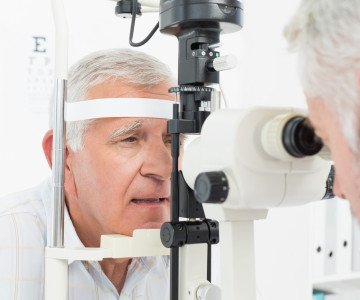
    Eggs and Eye Health

    Overview
    Eye disorders are a major health issue in Australia, and are particularly prevalent with ageing. Age-related macular degeneration (AMD), cataracts, diabetic retinopathy and glaucoma are among the leading causes of vision impairment and blindness (1,2).

Sign Up To Our Clinical Research Updates Get the latest nutritional news about eggs delivered right to your inbox. Sign up today for access.