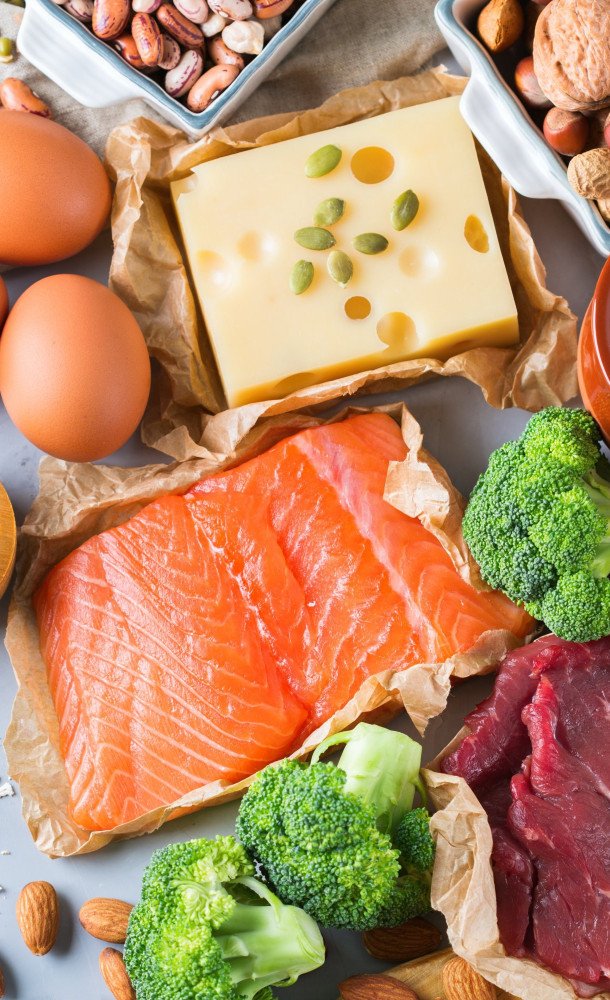

Yes, eggs are a complete protein. They contain all nine essential amino acids in amounts that closely match human requirements, and eggs have historically been used by scientists as the reference standard against which other proteins are measured.
What Makes a Protein "Complete"?
Not all proteins are created equal, and this distinction is what "complete" actually refers to.
The Nine Essential Amino Acids
Protein is made up of amino acids, nine of which are considered essential, meaning your body can't produce them itself and needs to get them from food.
They are: histidine, isoleucine, leucine, lysine, methionine, phenylalanine, threonine, tryptophan and valine.
A complete protein contains all nine in sufficient amounts.
Complete vs Incomplete Proteins
Complete proteins are typically found in animal-derived foods like eggs, meat, fish and dairy. Most plant foods are considered incomplete proteins, missing or low in one or more essential amino acids, though there are exceptions like soy and quinoa, which are complete on their own.
Why Eggs Are Considered a Gold-Standard Protein
Eggs hold a fairly unique position in protein science.
Eggs & Protein Quality Scales
Eggs consistently score at or near the top on the protein quality metrics scientists use today: PDCAAS (Protein Digestibility-Corrected Amino Acid Score) and DIAAS (Digestible Indispensable Amino Acid Score), the two main systems used to assess how well a protein's amino acid profile and digestibility measure up.
Egg protein has also played a part in the history of how these scoring systems were developed, with earlier amino acid scoring approaches at times using egg as a comparison point. That said, the exact reference standards used in protein science have been revised multiple times over the decades, so it's the current scores, rather than any specific historical claim, that best explain why eggs are considered such high-quality protein today.
Eggs Are Highly Digestible, Too
Being "complete" is only part of the picture; your body also needs to actually absorb and use those amino acids. Eggs score well on this front too, which is part of why they're considered such an efficient protein source, not just a technically complete one.
How Much Protein Is in an Egg?
A single egg contains around 6.3 grams of protein, while a standard serve of eggs (two 60g eggs) provides 12.7 grams, roughly 20% of the recommended daily protein intake for men, 27% for women, and about a third for children. For context, the average Australian gets around 95 grams of protein a day from their overall diet.
Who Benefits Most from Complete Protein Sources?
While complete protein matters for everyone, a few groups get particular value from it.
Children and adolescents
Kids and teens have increased protein needs during growth periods, and eggs offer an ideal amino acid profile alongside genuine versatility and affordability, making them an easy way to help meet those needs.
Older adults
People aged 70 and over typically need more protein to help maintain muscle mass, and eggs are a particularly practical option for this group: easy to chew, simple to prepare, and containing leucine specifically, an amino acid that plays a role in ongoing muscle support.
Athletes and active people
Because eggs are both complete and highly digestible, they're a genuinely efficient way to support muscle recovery and maintenance after exercise, without needing to combine multiple food sources to get the full amino acid profile.
Frequently Asked Questions
Are eggs a complete protein?
Yes. Eggs contain all nine essential amino acids in amounts that closely match human requirements, which is why they've historically been used as the reference standard for measuring protein quality in other foods.
How much protein is in one egg?
A single egg contains around 6.3 grams of protein. A standard serve of two eggs provides about 12.7 grams.
Why are eggs considered such high-quality protein?
Eggs consistently score at or near the top on modern protein quality metrics like PDCAAS and DIAAS, which measure how completely and how well a protein's amino acids are absorbed and used by the body. Egg protein has also featured at various points in the history of how these scoring systems were developed, though the exact standards used have been revised more than once over the decades.
Are there complete plant-based proteins?
Yes, though most plant proteins are incomplete. Soy and quinoa are notable exceptions, both considered complete proteins in their own right.
Do eggs have all the essential amino acids?
Yes, eggs contain all nine essential amino acids: histidine, isoleucine, leucine, lysine, methionine, phenylalanine, threonine, tryptophan and valine, in proportions that closely match human dietary needs.