Vitamin D Foods to Boost Your Mood
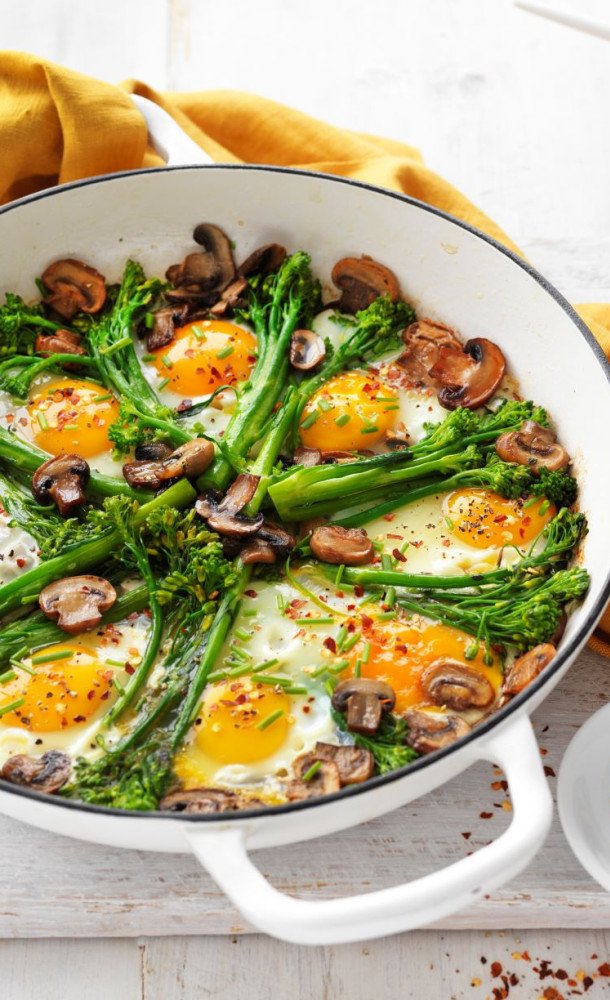

Despite Australia's reputation as the sunburnt country, around 1 in 4 adults are vitamin D deficient. In winter, that number climbs sharply in southern states - deficiency rates in Victoria, the ACT and Tasmania can reach close to 50%.
The irony isn't lost on anyone. While sunlight is the primary source of vitamin D, the foods you eat play a meaningful supporting role too, particularly through the cooler months when time outdoors is limited, and the sun isn't as strong.
The good news: some of the best dietary sources of vitamin D (like eggs) are probably already in your fridge. Here are the foods to focus on, and some recipes that put them to delicious use.
Foods High in Vitamin D
1. Eggs
When it comes to getting vitamin D from food, eggs are one of the best options going. Two eggs provide 82% of the daily recommended intake - and most of that vitamin D sits in the yolk, so eating whole eggs is important.
Research from Deakin University also suggests that eating at least 7 eggs per week through winter can help maintain vitamin D levels when sun exposure alone isn't cutting it.
2. Salmon
Fresh, canned or smoked, salmon is one of the richest dietary sources of vitamin D available. It also delivers protein and omega-3 fatty acids, making it a well-rounded choice any time of year.
3. Tuna
Canned tuna is an affordable and convenient way to get more vitamin D into your day. A couple of tins in the pantry and you've always got a nutritious meal within easy reach.
4. Mushrooms
One of the only plant-based sources of vitamin D, mushrooms produce the nutrient when exposed to sunlight - much like we do. Wild or sun-exposed varieties tend to have higher levels than those grown indoors.
5. Fortified dairy and cereals
Some milks (including plant-based alternatives), yoghurts and breakfast cereals are fortified with vitamin D. It's worth checking the nutrition label to confirm.
Egg Recipes to Boost Your Vitamin D
The following recipes pair eggs with other vitamin D-rich ingredients, or use enough eggs to make a real nutritional difference. A good mix across breakfast, lunch and dinner.
1. Scrambled Egg and Salmon Bagels

For a vitamin D-packed start to the morning, Scrambled Egg and Salmon Bagels are hard to beat. Soft, creamy scrambled eggs layered with smoked salmon and cream cheese on a toasted bagel - it feels like a café order but takes about 10 minutes at home. With salmon and eggs working together, this is one of the most enjoyable ways to get your vitamin D in before you've even left the house.
2. Eggs with Herbed Mushrooms
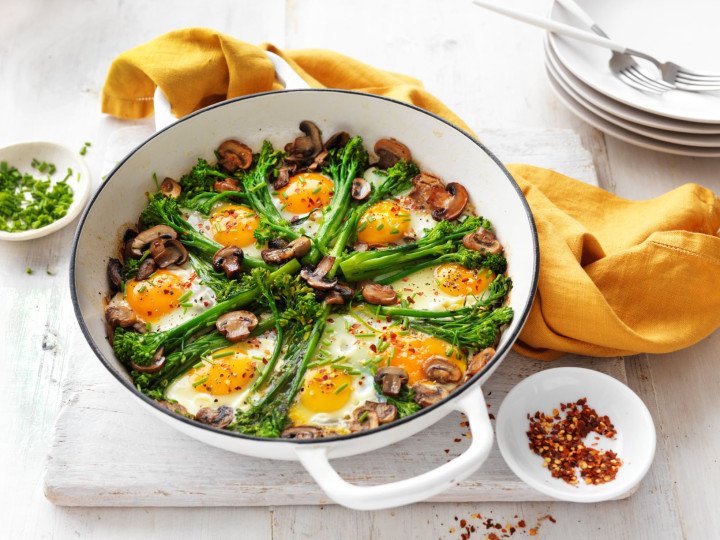
Simple, fast and quietly nutritious, Eggs with Herbed Mushrooms pairs two of the best vitamin D sources in one easy dish. Mushrooms are one of the only non-animal foods that naturally contain vitamin D. Combined with eggs, which deliver 82% of the daily recommended intake per two-egg serve, this is a lunch that does a lot without making a fuss about it.
3. Persian Baked Eggs with Lentils and Spinach
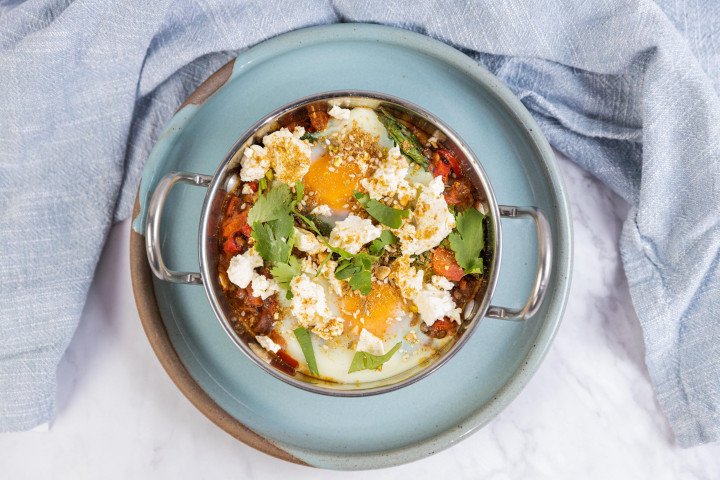
Created by Dr. Joanna McMillan for Good Chef Bad Chef, these Persian Baked Eggs with Lentils and Spinach are a gorgeous midweek dinner. Earthy lentils simmered with warming Persian spices and fresh spinach, topped with gently baked eggs and their golden, vitamin D-rich yolks. It's deeply satisfying and comes together without too much fuss - a great reminder that eating well doesn't have to mean compromising on flavour.
4. Tuna Mornay with Eggs
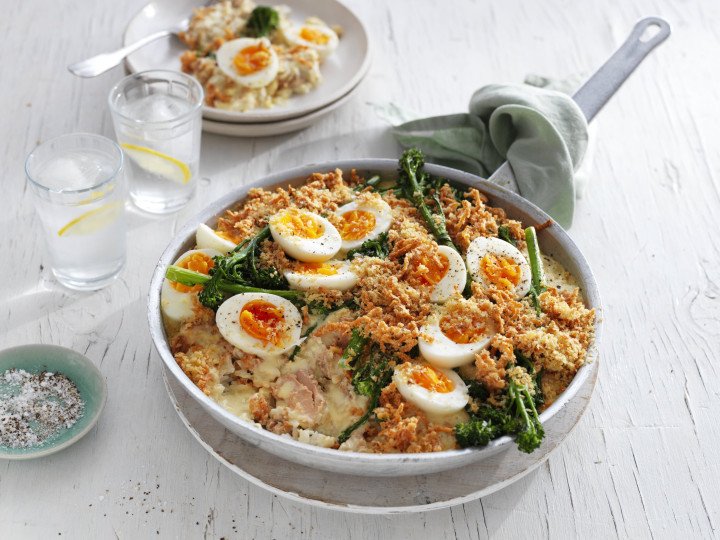
A comforting, crowd-pleasing dinner, Tuna Mornay with Eggs brings together two solid dietary sources of vitamin D in a rich, creamy bake the whole family will enjoy. It's hearty, warming and the kind of recipe that earns a place in the regular weeknight rotation without asking much of you.
5. Quiche Four Ways

A well-made quiche uses a generous number of eggs in every bake, making it a naturally vitamin D-rich dish no matter which filling you choose. Quiche Four Ways gives you four filling options to work with, including a leek, ham and mushroom version that layers in another vitamin D source. Make one on the weekend and it keeps in the fridge for up to three days - or freeze it for up to two months.
Vitamin D Up, Mood Restored
Getting your vitamin D naturally doesn't have to be complicated. A handful of eggs through the week will keep you going strong all year long. For a deeper dive into how eggs can boost your vitamin intake in more ways than one, check out these health benefits.
Related Articles

Easy Make-Ahead Egg Breakfasts for the Week
Make-ahead egg breakfasts are dishes you batch-cook once, usually on the weekend, and store in the fridge or freezer to eat across the week.
- Reading time: 4 min read

8 High-Protein Breakfast Ideas to Power Your Morning
Some of the best high-protein breakfast ideas centre on eggs - scrambled, baked, stuffed into muffins or layered into a one-pan wonder. They're one of the highest quality, protein-rich whole foods going around, and with dozens of ways to cook them, there's genuinely no excuse for a boring morning.
- Reading time: 4 min read
8 High-Protein Lunches That'll Keep You Going All Afternoon
Lunch is often where healthy eating intentions fall apart. It's rushed, it's easy to skip, and the desk-side snack drawer becomes very appealing by 3pm.
- Reading time: 4 min read
Want to see what an egg farm looks like? Take this interactive 360 degree tour to see how eggs are produced in Australia.
