
Vitamin D in Eggs
Just under 1 in 4 Australian adults, or 23% have a severe, mild, or moderate vitamin D deficiency. A further 43% is classified as having insufficient circulating vitamin D concentrations.
This site requires you to update your browser. Your browsing experience may be affected by not having the most up to date version.
Please visit browser-update.org to upgrade.
JavaScript has been disabled in your browser. Please enable JavaScript to experience the full functionality of our website.


Nutrition and diet both play a vital role in maintaining the health of ageing Australians. As we age, it can become more challenging to maintain a nutrient-dense, balanced diet. This is because ageing can be linked to a reduction of appetite, loss of muscle mass and decreased nutrient absorption.
The question that often surfaces is just how important eggs become as part of that ageing-diet structure. We're here to share that eggs can play an indispensable role in helping older Australians meet their daily protein, vitamin and mineral requirements to help maintain long-lasting health.

There’s no doubt, nutrition plays a major role in supporting adults to maintain quality health throughout the ageing process – not to mention minimising and managing the risk factors affecting lifestyle-related diseases.
And genetics aside, research consistently supports the health and lifestyle-related benefits of following a balanced diet that provides all essential macronutrient and micronutrients.
Eggs are a widely-available, economical and easily digestible source of high-quality protein and essential vitamins and minerals – making them an ideal dietary inclusion for older Australians. They also contain a significant amount of leucine, an amino acid that is important for ongoing muscle support, as well as other key nutrients including Vitamin D and Omega-3 fatty acids, plus a little known nutrient, choline, which is important for brain function and has been linked to muscle strength. Read more about choline's role for older Australians here.
Eggs, along with adequate amounts of: wholegrains, fruits, vegetables, low-fat dairy foods, lean meats, fish, poultry and unsaturated fats all form part of a balanced eating pattern for ageing Australians.
A balanced diet that meets daily nutrient requirements can play a big role in maintaining peak physical and cognitive health and wellbeing; alongside being critical for bone health, eye health, vascular function, and immunity.
The current Australian protein RDI for adults aged 70 years and over (81g protein/ day for men and 57g for women) is around 25% higher than the protein needs of younger adults due to increased protein requirements with age.
Eggs are a superfood for older people given their high-quality protein and the fact they contribute to a wide range of daily nutrient needs. An average serving of eggs (2 eggs) contains:
| Required Nutrient | % RDI for ages 70+ |
| Protein | 16-22% |
| Long-chain Omega-3s | 71-127% adequate intake (AI) |
| Selenium | 59-68% |
| Vitamin B12 | 33% |
| Iodine | 29% |
| Iron | 21% |
| Vitamin A | 27-34% |
| Folate | 24% |
| Vitamin E | 24-34% |
| Vitamin D | 55% AI |
| Zinc | 4-6% |
Further benefits of eggs are their affordability, convenience, and simple preparation, making it easier for older single or couple households to prepare nutritious meals.
For healthy people, the National Heart Foundation currently sets no limit as to how many eggs you can eat per day – as part of any healthy and balanced diet.
That being said, there are some limitations to those who are more sensitive to consuming dietary cholesterol.
A maximum of seven eggs per week is recommended for those living with:
• Type 2 Diabetes
• High LDL (Bad) Cholesterol
• Any Existing Heart Disease
The current Australian protein RDI for adults aged 70 years and over is 81g protein per day for men and 57g for women. This increased recommended intake takes into account the importance of addressing changes in body composition with age.
A serving of two eggs provides approx 16–22% of the daily protein requirement for older Australians meaning, you will be well on your way to meeting daily requirements.

Fact is, you shouldn’t – as there’s no active evidence to suggest any major benefit in stopping the consumption of eggs. Actually, it’s truer of the reverse.
Eggs are inexpensive, easy to prepare, versatile and soft in texture – making them a fitting option for older adults. Poaching, boiling or dry-frying are the best ways to keep eggs part of a heart-healthy diet, since it's often what eggs are cooked and served with - butter, oil, bacon, or salt - that adds the most saturated fat, rather than the egg itself.
For many older Australians, eggs are already a familiar and enjoyable food option at breakfast and other meals. Eating eggs as part of a healthy and balanced diet, in addition to keeping up physical activity, could help maintain optimal muscle strength and function; thereby helping older people maintain an active lifestyle and reducing the challenges of the various ailments associated with muscle loss.
And if you’re looking for fresh and affordable ways to enjoy your eggs, check out some of our latest recipes.
Eggs contain 17 different nutrients including vitamins and minerals, omega-3s, antioxidants and are a rich source of protein, for the health and wellbeing of older people. Learn more about the vitamins and minerals in eggs here.
There is no limit to the number of eggs older people can eat - with the exception of those with type 2 diabetes, high cholesterol or any existing heart disease - who can enjoy up to 7 eggs a week.
The benefits of eggs are their affordability, convenience, and simple preparation, making it easier for older single or couple households to prepare nutritious meals.
Yes. Heart Foundation Australia's guidance for people with high LDL cholesterol, type 2 diabetes or existing heart disease is to enjoy up to seven eggs a week, as part of a diet low in saturated fat.
Yes, when cooked and handled properly, eggs can be enjoyed in any style. To avoid food-borne illness, eggs should be cooked until the white is set and the yolk has thickened.
There's no specific daily limit for healthy older adults. Protein needs actually increase with age, making eggs a practical, easy way to help meet that increased need.
Just under 1 in 4 Australian adults, or 23% have a severe, mild, or moderate vitamin D deficiency. A further 43% is classified as having insufficient circulating vitamin D concentrations.
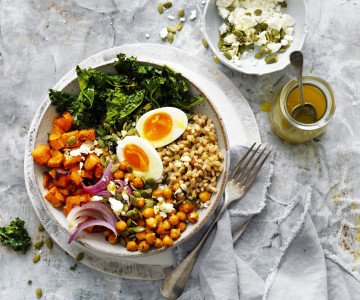
It can be easy to overlook the importance of our diet when we lead a busy and hectic lifestyle. These 7-day meal plans have been created by an Accredited Practising Dietitian based on meeting the recommendations outlined in the Australian Guide to Healthy Eating.

Eggs aren’t just delicious, they’re also incredibly nutritious.
Whether you prefer boiled, scrambled, or poached, eggs are a great source of high quality protein. At just 74 calories per egg (310 kJ), they are one of the healthiest foods you can eat.
