• This site requires you to update your browser. Your browsing experience may be affected by not having the most up to date version.
    Please visit browser-update.org to upgrade.

  • JavaScript has been disabled in your browser. Please enable JavaScript to experience the full functionality of our website.

Managing pullets for extended layer life, improved productivity and shell quality

  • Publication
  • Organisation The University of Sydney
  • Researchers Dr Wendy Muir, Yeasmin Akter

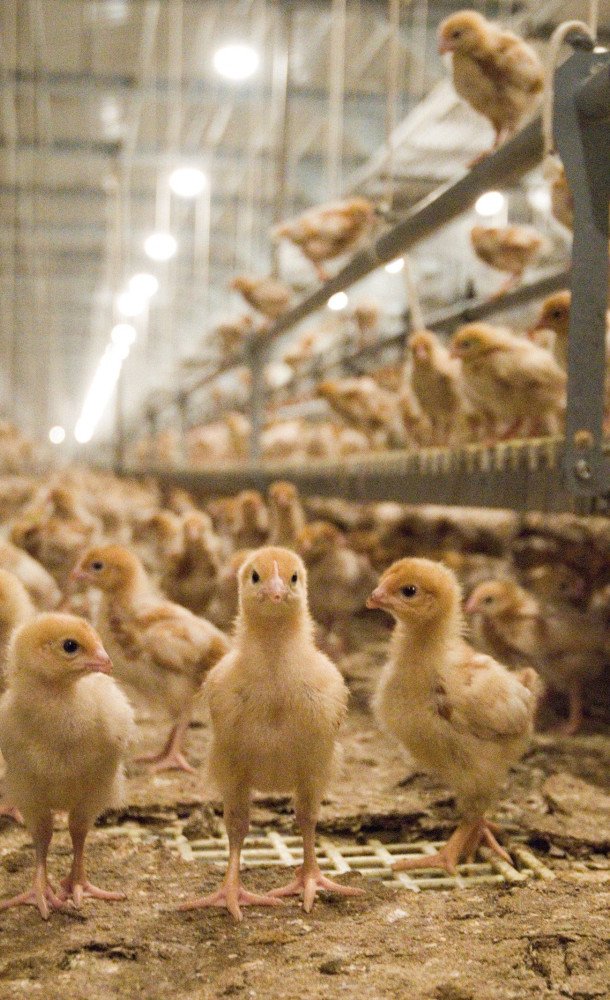
This project conducted by The University of Sydney explored strategies to extend the productive life of layer hens to 100 weeks while maintaining egg quality and flock health. It examined how light patterns (photoperiod) and feeding schedules during rearing affect the growth, reproductive development, and egg production of Hy-Line Brown hens. 

The research findings showed that feeding practices had a significant impact on body weight and reproductive development. Pullets that were fed freely or kept on longer daylight schedules grew heavier and ate more but also developed more abdominal fat and experienced higher liver fat oxidation. In contrast, hens raised on controlled feeding schedules, targeting 88% of their breed-standard weight, were leaner and had favourable traits for late production stages, such as better feed efficiency and stronger bones. 

Lighting schedules also played an important role in production outcomes. Pullets exposed to rapid light reduction during rearing matured earlier and laid eggs with stronger shells by 72 weeks of age.  

The study highlights the potential for tailored feeding and lighting strategies to improve sustainability and productivity in the egg industry. Further research is recommended to explore genetic and environmental factors to refine these practices. 


Want to see what an egg farm looks like? Take this interactive 360 degree tour to see how eggs are produced in Australia.
