Leading Research


To generate focused research, Australian Eggs works with industry to build a clearer understanding of the needs of farmers, identifies research groups with the skills to address the issues, and develops targeted research project ideas that have clear pathways to on-farm adoption.
Australian Eggs Open Call for Research Proposals
Australian Eggs announces our annual open call for research proposals in line with accompanying research priority areas. Through a process of consultation with industry stakeholders, Australian Eggs have identified 11 priority areas. We invite all interested researchers to submit a research proposal by 2 November 2026.
Please complete a Research Proposal Template and submit to [E-Mail not displayed].
Any questions relating to the process or the Research Proposal Template can be emailed to [E-Mail not displayed].
Filter by Category
Assessing the carbon footprint of the egg industry
By studying the inputs to the whole egg industry supply chain, the carbon footprint of the egg industry was measured. This method assessed the carbon footprint is a 'life cycle assessment' and established an industry benchmark to compare its carbon footprint with other industries and gauge future improvements.
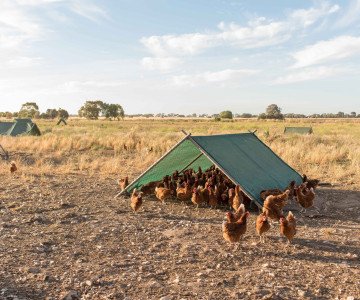
Nutrient mass balance on-farm
By carefully measuring the inputs and outputs of free-range flocks, researchers will quantify how much nutrient is deposited on the range versus how much is deposited in the shed.
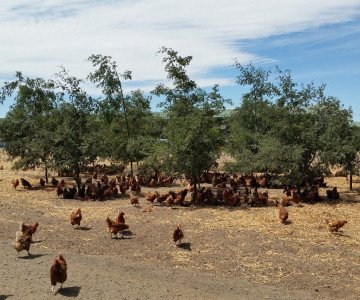
Resilient plants to entice hens outdoors on free range farms
The aim of this project was to consolidate available agronomic information and provide an up-to-date resource for free range egg farmers on what and how to plant on the range. To complete this project the researcher integrated existing research on the topic, as well as learnings from 5 'case study farms' that the researcher worked with throughout the project.
Determining resource requirements for removal of waste from egg farms
These resources will assist egg farms in planning their approach to waste disposal, particularly in preparing for infectious disease in the flock. Using a risk-based approach these resources will enable egg farmers to identify the resources that would be needed on their farm to support the disposal of all types of poultry farm waste.

Reducing ammonia losses during composting of chicken manure without altering economic outcomes
This research trialled mixing poultry manure with organic materials such as sawdust and wood chips, in an effort to produce a nitrogen rich compost product.
Addition of sawdust or wood chips to manure was shown to maximise nitrogen retention but at an increased compost production cost.
Egg Industry Environmental Guidelines
This project aimed to deliver improved environmental sustainability and planning outcomes for the egg industry by updating the existing guidelines to reflect changes in the industry since its first publication in 2008.

Evaluation of energy usage and ventilation performance of tunnel ventilated layer sheds
Due to increasing pressures on operating margins within the Australian egg industry, this study investigated the energy usage and ventilation systems in cage egg sheds.Optimising electricity usage is an important factor in improving the bottom line of egg production systems.

Environmental Assessment of an Egg Production Supply Chain using Life Cycle Assessment
A Life Cycle Assessment model was used to provide a review of the efficiency of Australian egg production with respect to greenhouse gas emissions, water use and energy use.
Layer Hen Manure Analysis Report
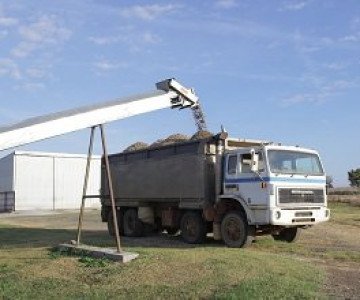
Poultry layer manure and litter composition data are essential for accurately determining sustainable application rates of manure to crops and pastures.This study collected some 20 samples of manure and litter from five different layer production systems from all major production regions in Australia.
Composting Every Day Mortalities and Other Wastes from Layer Farms
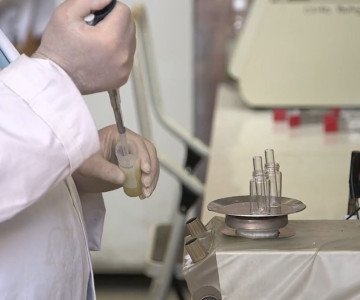
Composting is a viable alternative method for disposing of daily mortalities, spent hens, egg and other waste produced on Australian egg farms.

Reducing disease spread and neighbour complaints by integrated fly control on egg farms
Due to the number of issues caused by fly populations in relation to the Australian agricultural industry, this project seeks to provide further information about the dynamics of flies breeding on Australian egg farms.
Urban fringe land use conflict: Two poultry case studies
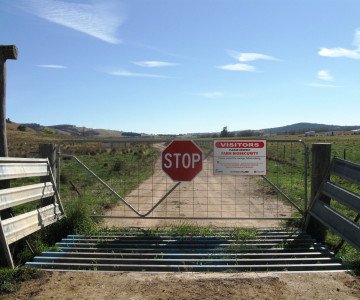
Land use is a common source of conflict for many sectors of Australian agriculture including the poultry industry, particularly in areas on the urban fringe or where there is significant rural residential development.
Projects you might find interesting
Alternative protein-rich ingredients for Australian pigs and laying hens
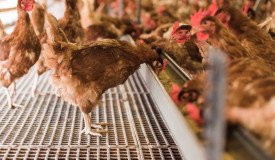
Feed cost accounts for 70% of the production costs in farming, and any strategy to reduce it will have a significant impact on total production costs and farm profitability.
Development of single administration, slow release vaccine delivery system
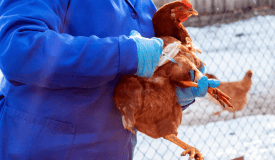
This project aims to develop a single-shot, slow-release vaccine delivery system using hydrogel technology. It will investigate the best vaccine release pattern from hydrogel implants (extended “burst” verses multiple “pulses”) to induce immunity.
Practical strategies to increase individual layer hens feed efficiency
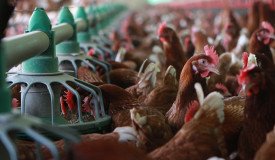
The overall findings of this study reveal that significant variation exists in the feed efficiency of layer hens. In this project, hens that put on more weight from the point of lay to mid-lay tended to be less feed efficient and have poorer quality eggs. The high feed efficient hens had better egg quality and were less prone to liver damage or fatty liver.
Review of rodent control for the Australian chicken meat and egg industries
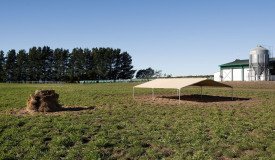
This final report on current rodent control strategies employed by the Australian chicken meat and egg industries also includes a manual for producers on use of rodenticide products.
Want to see what an egg farm looks like? Take this interactive 360 degree tour to see how eggs are produced in Australia.
