Leading Research


To generate focused research, Australian Eggs works with industry to build a clearer understanding of the needs of farmers, identifies research groups with the skills to address the issues, and develops targeted research project ideas that have clear pathways to on-farm adoption.
Australian Eggs Open Call for Research Proposals
Australian Eggs announces our annual open call for research proposals in line with accompanying research priority areas. Through a process of consultation with industry stakeholders, Australian Eggs have identified 11 priority areas. We invite all interested researchers to submit a research proposal by 2 November 2026.
Please complete a Research Proposal Template and submit to [E-Mail not displayed].
Any questions relating to the process or the Research Proposal Template can be emailed to [E-Mail not displayed].
Filter by Category
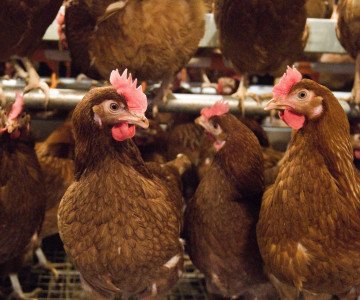
Nutritional strategies for managing pullets and improving late lay egg quality
This project indicated that feeding pullets a high nutrient density diet during rearing improved late lay eggshell quality. Lighter pullets, fed a high nutrient density diet in rearing had a lifelong better FCR, compared to heavier pullets.

Cost effective and practical ways to regenerate layer hen ranges
The vegetation and functionality of the range areas of free range layer hens can be diminished due to physical damage, as well as nutrients from excreta, with the increase of weed plant species, soil compaction in heavily utilised areas and parasite build up in soils.

Assessing the carbon footprint of the egg industry
By studying the inputs to the whole egg industry supply chain, the carbon footprint of the egg industry was measured. This method assessed the carbon footprint is a 'life cycle assessment' and established an industry benchmark to compare its carbon footprint with other industries and gauge future improvements.
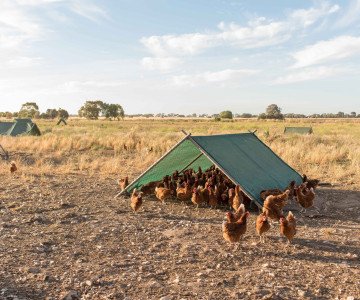
Nutrient mass balance on-farm
By carefully measuring the inputs and outputs of free-range flocks, researchers will quantify how much nutrient is deposited on the range versus how much is deposited in the shed.

Traceability for the egg industry
Robust traceability systems are critical to ensuring that in the event of egg quality and food safety issues, the correct farms, specific production areas or sheds can be efficiently identified, and steps taken to rectify concerns.
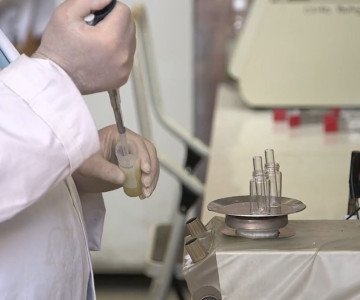
Non-invasive technology for gender determination of fertilised chicken eggs
Researchers used an optical technique to develop a device that can automatically determine the gender of chicken eggs.
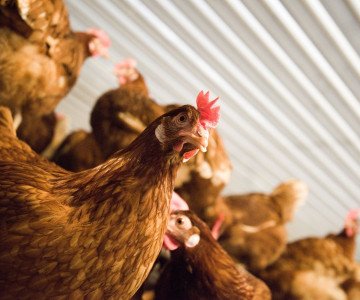
Automated, real-time monitoring of bird and flock movement and behaviour - Phase 1
This proof of concept research developed an automated intelligence, video-based system which recognises individual birds within the shed and their activities in real-time.
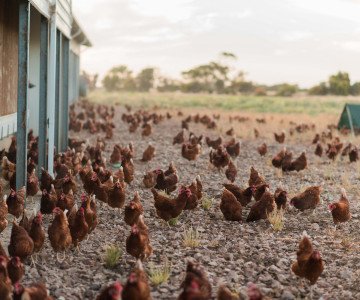
Hen ranging behaviour in relation to light and UV intensity
This project found that free range hens will avoid times of peak sun intensity and thus may not range as much during the summer months.
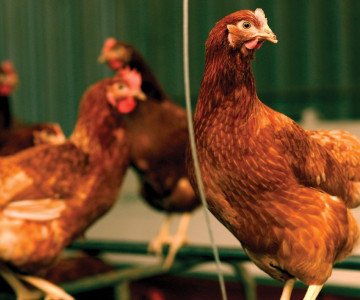
What causes smothering in commercial free-range laying hens?
A project to identify factors associated with smothering.
Practical strategies to measure hen welfare
This project developed a method to detect positive and negative affective states in layer flocks through blood and egg samples.

Eggs to improve Choline intake in pregnancy
If women consumed the equivalent of one extra egg a day, the percentage of women with adequate choline intakes would increase from 39% to 80%.

Effects of egg consumption on vitamin D status of adults
Despite Australia’s reputation as a sunburnt country, the vitamin D deficiency rate in Australians is among the highest in the world during the winter months.

Closing the Loop: Black Soldier Fly technology to convert agricultural waste
Black soldier fly farming (BSF) provides a low-cost waste management solution for converting agricultural waste into high quality fertiliser (BSF castings or frass) and protein (BSF larvae as animal feed).

Spotty Liver Disease Epidemiology
This project identified key risk factors for Spotty Liver Disease outbreak.
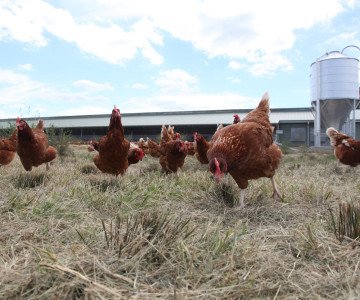
Sustainable worm control with improved understanding, methods and information availability
Through surveying producers, collecting faecal samples and examining spent hens, researchers will be able to determine the prevalence and significance of worm infection in free range layer flocks in Australia.
Projects you might find interesting
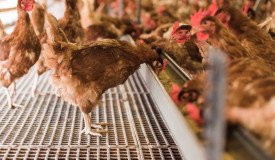
Alternative protein-rich ingredients for Australian pigs and laying hens
Feed cost accounts for 70% of the production costs in farming, and any strategy to reduce it will have a significant impact on total production costs and farm profitability.
Development of single administration, slow release vaccine delivery system
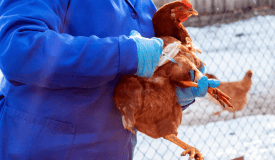
This project aims to develop a single-shot, slow-release vaccine delivery system using hydrogel technology. It will investigate the best vaccine release pattern from hydrogel implants (extended “burst” verses multiple “pulses”) to induce immunity.
Practical strategies to increase individual layer hens feed efficiency
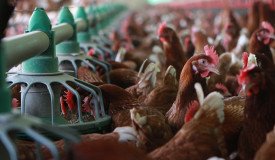
The overall findings of this study reveal that significant variation exists in the feed efficiency of layer hens. In this project, hens that put on more weight from the point of lay to mid-lay tended to be less feed efficient and have poorer quality eggs. The high feed efficient hens had better egg quality and were less prone to liver damage or fatty liver.
Review of rodent control for the Australian chicken meat and egg industries
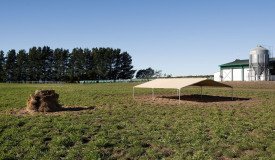
This final report on current rodent control strategies employed by the Australian chicken meat and egg industries also includes a manual for producers on use of rodenticide products.
Want to see what an egg farm looks like? Take this interactive 360 degree tour to see how eggs are produced in Australia.
