Leading Research


To generate focused research, Australian Eggs works with industry to build a clearer understanding of the needs of farmers, identifies research groups with the skills to address the issues, and develops targeted research project ideas that have clear pathways to on-farm adoption.
Australian Eggs Open Call for Research Proposals
Australian Eggs announces our annual open call for research proposals in line with accompanying research priority areas. Through a process of consultation with industry stakeholders, Australian Eggs have identified 11 priority areas. We invite all interested researchers to submit a research proposal by 2 November 2026.
Please complete a Research Proposal Template and submit to [E-Mail not displayed].
Any questions relating to the process or the Research Proposal Template can be emailed to [E-Mail not displayed].
Filter by Category
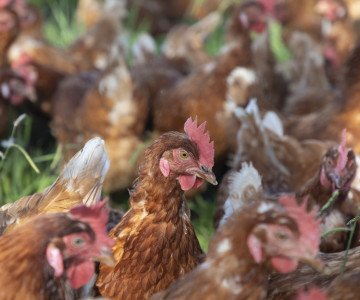
Birds pile-up detection and smothering prevention system on commercial farms
This project builds on the outcomes of previous Australian Eggs research projects which developed the algorithms to identify flock behaviour, including bird piling. Using this artificial intelligence (AI) technology, a bird piling detection system will be designed to alert egg farmers, in real time, when a piling event commences.

Alternative protein-rich ingredients for Australian pigs and laying hens
Feed cost accounts for 70% of the production costs in farming, and any strategy to reduce it will have a significant impact on total production costs and farm profitability.
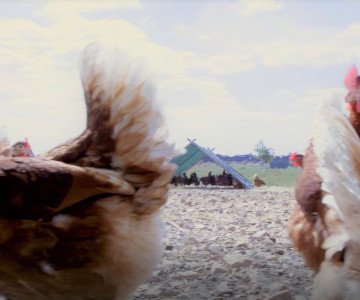
Mechanisms of Spotty Liver Disease pathogenesis and immune protection: informing vaccine development
This project aims to investigate the mechanisms driving Spotty Liver Disease (SLD) pathogenesis. Currently antibiotic therapy is the most effective way to control SLD. Understanding the role of toxins and other virulence determinants in disease pathogenesis and immune protection will help to identify targets for vaccine development.
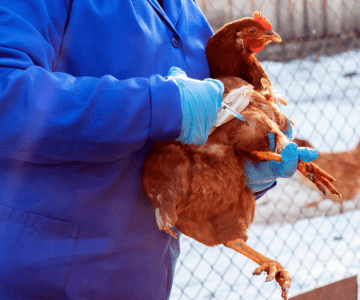
Development of single administration, slow release vaccine delivery system
This project aims to develop a single-shot, slow-release vaccine delivery system using hydrogel technology. It will investigate the best vaccine release pattern from hydrogel implants (extended “burst” verses multiple “pulses”) to induce immunity.

Egg protein in the evening for improved sleep during peri-menopause
Insomnia affects 40-60% of women approaching menopause resulting in sleep deficits in 50% of those affected. Sleep deficit is associated with increased anxiety, metabolic disease, and dysregulated appetite. Eggs contain nutrients that may improve sleep, but it wasn't known if eating eggs as an evening snack improves sleep outcomes.

GHG Emission Calculator Extension
With the successful launch of the Egg Industry Emissions Calculator in late 2023, this project aims to enhance egg farmer’s knowledge and capabilities for emissions calculating and reporting as well as identify high emission areas and opportunities for improvements in reducing their carbon footprint.
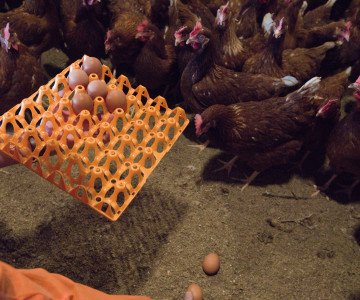
Management tools to minimise floor eggs
To better understand how floor eggs may be avoided, this project compiled information on factors that can affect the propensity of hens to floor lay and management strategies that may prevent the undesirable behaviour from developing.
Australian egg layer disease benchmarking survey
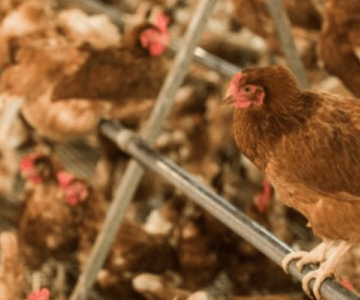
The project aimed to provide a summary of the current disease burden in the Australian layer industry.
Sustainable feed to optimise layers’ productive life
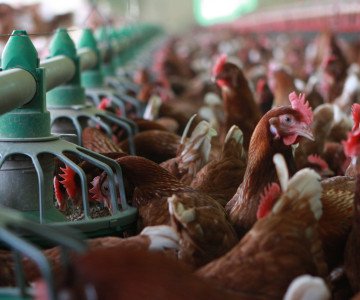
This is a highly beneficial project which will reduce the carbon footprint, reduce feed cost, and promote layer life. This will be done by replacing soybean meal (SBM) with combination of canola meal (CM) and insect meal (BSFL: black soldier fly larvae).

Carbon calculator tool for the egg industry
Australian Eggs has produced a spreadsheet-based calculator which enables farmers to input data to determine their carbon footprint and total on-farm emissions.
Determining manure deposition in free range sheds and free range areas
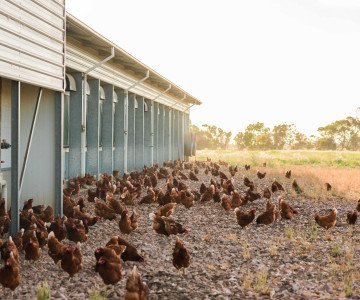
This project was conducted to assist free range egg producers with the management of manure nutrients to minimise the risk of environmental impact.
Automated, real-time monitoring of bird and flock movement and behaviour – Phase 2
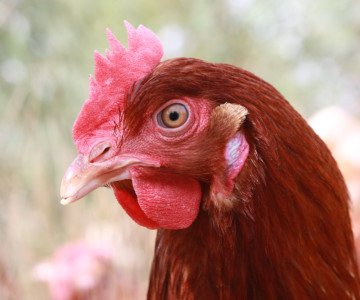
Automated video-based systems utilised computer vision and machine learning to identify individual bird behaviours that help determine whole flock movements and behaviours, while providing real-time information on the proportion of hens eating, drinking, laying eggs etc.

Layer specific NIR calibration for predicting apparent metabolizable energy (AME) of grains
This project aimed to improve the accuracy of Near Infrared Reflectance (NIR) calibrations for predicting the apparent metabolisable energy (AME) of cereal grains for laying hens. Conducted between July 2022 and May 2025, the study measured AME values of 72 Australian-grown wheat, barley, triticale, sorghum, and maize samples.
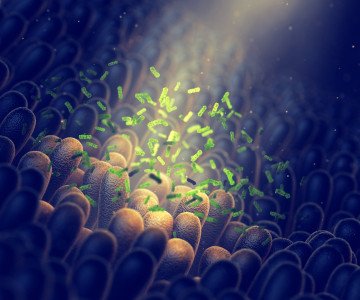
Gut Decisions: Effect of eggs on microbiome and cognition
Research by the University of Melbourne, commissioned by Australian Eggs, investigated the effects of regular egg consumption on human gut health and cognitive function, with a focus on how eggs may affect the link between our digestive system and our brain known as the “gut-brain axis”.
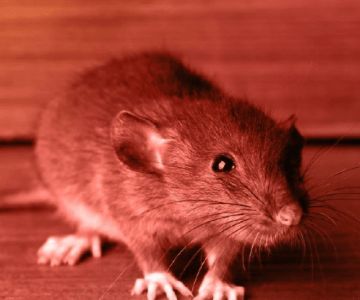
Investigating improved rodent control strategies
This project investigated alternative rodent control strategies for egg farms beyond traditional anticoagulant rodenticides. The project addressed concerns from recent mouse plagues and overreliance on chemical controls, which raise resistance, secondary poisoning, and residue risks.
Projects you might find interesting
Alternative protein-rich ingredients for Australian pigs and laying hens
Feed cost accounts for 70% of the production costs in farming, and any strategy to reduce it will have a significant impact on total production costs and farm profitability.
Development of single administration, slow release vaccine delivery system
This project aims to develop a single-shot, slow-release vaccine delivery system using hydrogel technology. It will investigate the best vaccine release pattern from hydrogel implants (extended “burst” verses multiple “pulses”) to induce immunity.
Practical strategies to increase individual layer hens feed efficiency
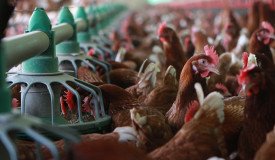
The overall findings of this study reveal that significant variation exists in the feed efficiency of layer hens. In this project, hens that put on more weight from the point of lay to mid-lay tended to be less feed efficient and have poorer quality eggs. The high feed efficient hens had better egg quality and were less prone to liver damage or fatty liver.
Review of rodent control for the Australian chicken meat and egg industries
This final report on current rodent control strategies employed by the Australian chicken meat and egg industries also includes a manual for producers on use of rodenticide products.
Want to see what an egg farm looks like? Take this interactive 360 degree tour to see how eggs are produced in Australia.
